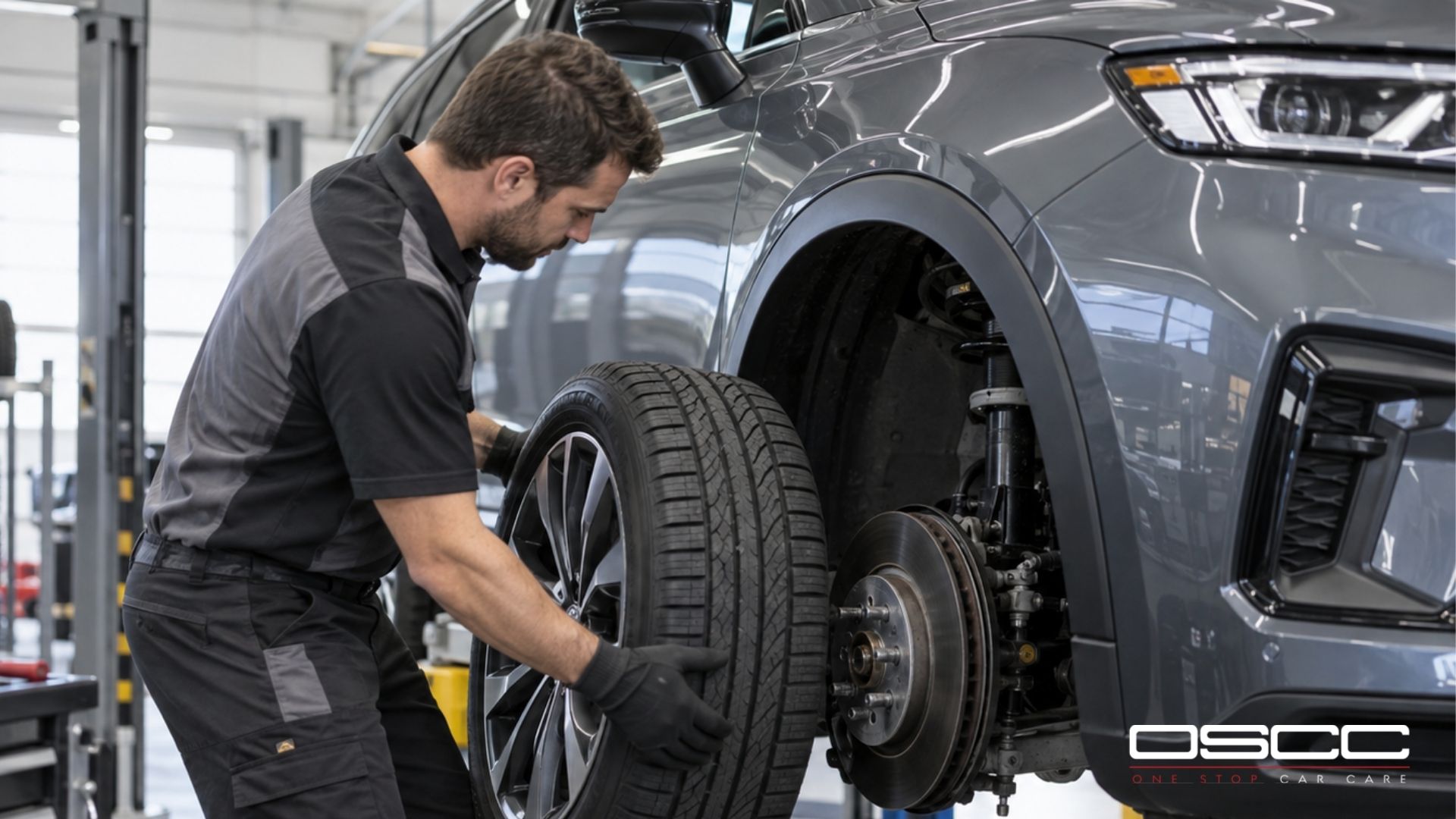
Professional wheel and tire installation matters because correct fitment, mounting, balancing, tire pressure, and wheel fastening directly influence safety, handling, ride quality, and tire wear. Even a premium wheel and tire package can perform poorly when the sizing is wrong or the components aren’t installed correctly.
That matters in Surrey, where vehicles regularly move between wet city streets and higher-speed highway driving. Frequent rain, heavy traffic, construction, and seasonal temperature changes place different demands on tires throughout the year. Starting with a properly fitted and installed setup gives the vehicle the foundation it needs to respond predictably to those conditions.
What Does Professional Wheel and Tire Installation Include?
Professional installation involves much more than mounting a tire onto a wheel and bolting the assembly to the vehicle. Every component needs to work with the vehicle’s specifications, and small details during installation can have a noticeable effect once you’re on the road.
A complete professional tire installation should account for:
- Compatibility: The selected wheels and tires need to match the vehicle’s technical requirements and intended use.
- Correct sizing: Tire width, aspect ratio, wheel diameter, load rating, and other specifications need to be appropriate for the vehicle.
- Tire mounting: The tire must be mounted carefully to avoid damaging the bead, wheel finish, or tire pressure monitoring components.
- Wheel balancing: The assembled wheel and tire should rotate evenly without excessive vibration.
- Tire pressure: Inflation should be set appropriately for the vehicle rather than based solely on the maximum pressure printed on the tire.
- Lug hardware and torque: The correct hardware must be used and tightened according to the appropriate torque specifications.
- Final inspection: Clearance, pressure, fastening, and overall installation should be checked before the vehicle returns to the road.
Manufacturer specifications provide an important starting point, but replacement tires and aftermarket wheels can introduce additional variables. A proper wheel installation accounts for those differences rather than assuming that any wheel that bolts onto the hub is suitable.
That’s what makes professional tire mounting and wheel fitment valuable. The objective isn’t simply getting the components onto the vehicle. It’s making sure the complete setup works as intended once the vehicle is carrying weight, steering, braking, and travelling at road speed.
Why Correct Wheel and Tire Fitment Matters
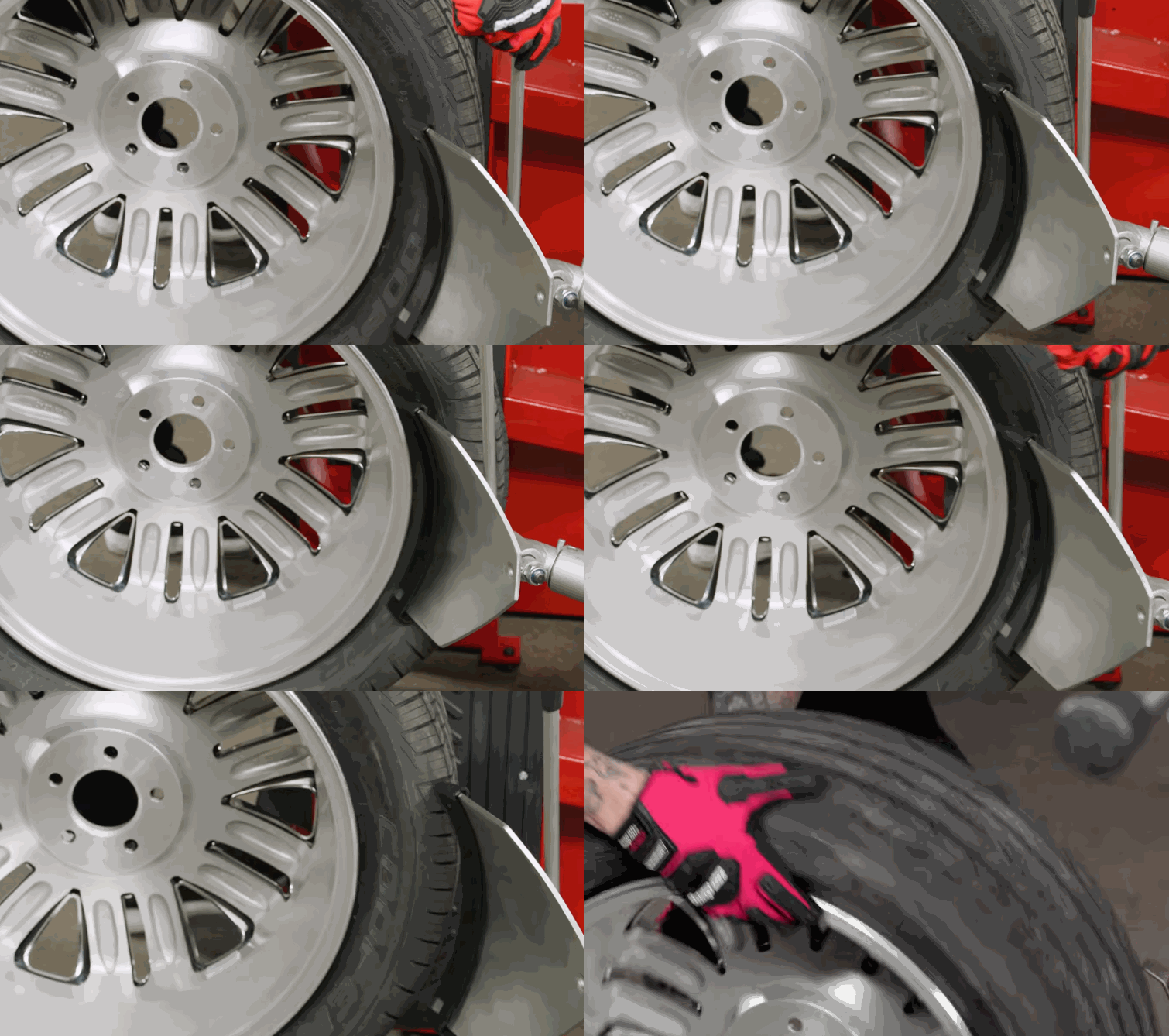
Correct wheel fitment is essential because wheel diameter, width, wheel offset, bolt pattern, tire dimensions, and load capacity all need to work together with the vehicle. A wheel can physically bolt onto a hub and still be a poor fit for the suspension, brakes, body clearance, or intended driving characteristics.
At One Stop Car Care, we look at the entire combination when helping customers select replacement tires or aftermarket wheels. Fitment is about more than appearance, especially when changing from the factory wheel or tire specifications.
Clearance Is More Than a Parking-Lot Check
A setup may appear to clear the fender while the vehicle is stationary but behave differently once the suspension compresses or the steering reaches full lock. Incorrect width or offset can move the wheel too far inward or outward, potentially creating interference with suspension components, liners, or bodywork.
Tire Dimensions Affect More Than the Wheel Well
Choosing the correct tire size also helps maintain the vehicle’s intended rolling diameter. Significant changes can influence speedometer readings, steering response, ride characteristics, and the operation of systems that rely on wheel-speed information.
Load capacity deserves equal attention. Tires and wheels need to support the vehicle safely, particularly on heavier SUVs, trucks, EVs, and vehicles that regularly carry additional weight.
Good tire sizing therefore balances appearance with function. The best setup is one that achieves the owner’s goals without introducing unnecessary compromises in clearance, handling, wear, or everyday usability.
Why Wheel Balancing Is Important After Installation
Proper wheel balancing helps the wheel and tire assembly rotate smoothly at road speeds and reduces the likelihood of unwanted vibration. Even relatively small differences in weight distribution can become noticeable once the wheels are spinning quickly.
A tire and wheel aren’t perfectly uniform objects. Balancing identifies heavier and lighter areas in the assembled unit, allowing small corrective weights to compensate for those differences. When this isn’t done correctly, tire vibration may become increasingly noticeable as speed rises.
Depending on which assembly is affected, that vibration may be felt through the steering wheel, seat, or floor. Besides making the vehicle less comfortable to drive, an imbalance can contribute to irregular tire wear and place unnecessary stress on related components over time.
That’s why we don’t view balanced wheels as a luxury reserved for drivers chasing an exceptionally smooth ride. Balancing is a fundamental part of a quality new tire or wheel installation whenever the service calls for it, especially before the vehicle returns to regular highway use.
How Surrey Driving Conditions Affect Wheels and Tires
Surrey’s wet weather, busy traffic, highway speeds, and changing road conditions make dependable tire contact and correct installation especially important. Professional installation cannot eliminate road hazards, but it helps ensure the wheel and tire setup is properly prepared to perform within its design capabilities.
On Highway 1 and Highway 99, sustained speeds make tire condition, inflation, and balancing particularly noticeable. King George Boulevard and Fraser Highway introduce a different mix of traffic, intersections, construction activity, patched pavement, and changing road surfaces.
For vehicles driven throughout Surrey, several factors deserve ongoing attention:
- Tread depth: Adequate tread is essential for moving water away from the contact patch and maintaining wet weather traction.
- Tire pressure: Underinflation or overinflation can change how the tire contacts the road and affect wear and handling.
- Road impacts: Potholes and damaged pavement can affect tires, wheels, and alignment, particularly after a hard impact.
- Seasonal changes: Temperature shifts affect tire pressure and can change which tire characteristics are most useful throughout the year.
- Fitment: Correct sizing and clearance remain important as the suspension moves over uneven roads and through everyday driving conditions.
At One Stop Car Care, we consider how and where a vehicle is driven when discussing tires for Surrey driving. A daily highway commuter can have different priorities from a vehicle used mostly for shorter urban trips, so the right recommendation isn’t always identical.
Ultimately, good tire performance depends on more than buying a quality tire. Proper fitment, healthy tread, correct pressure, and professional installation all contribute to predictable handling and road safety, especially when Surrey’s roads are wet and conditions are less forgiving.
What Can Go Wrong With Improper Wheel and Tire Installation?
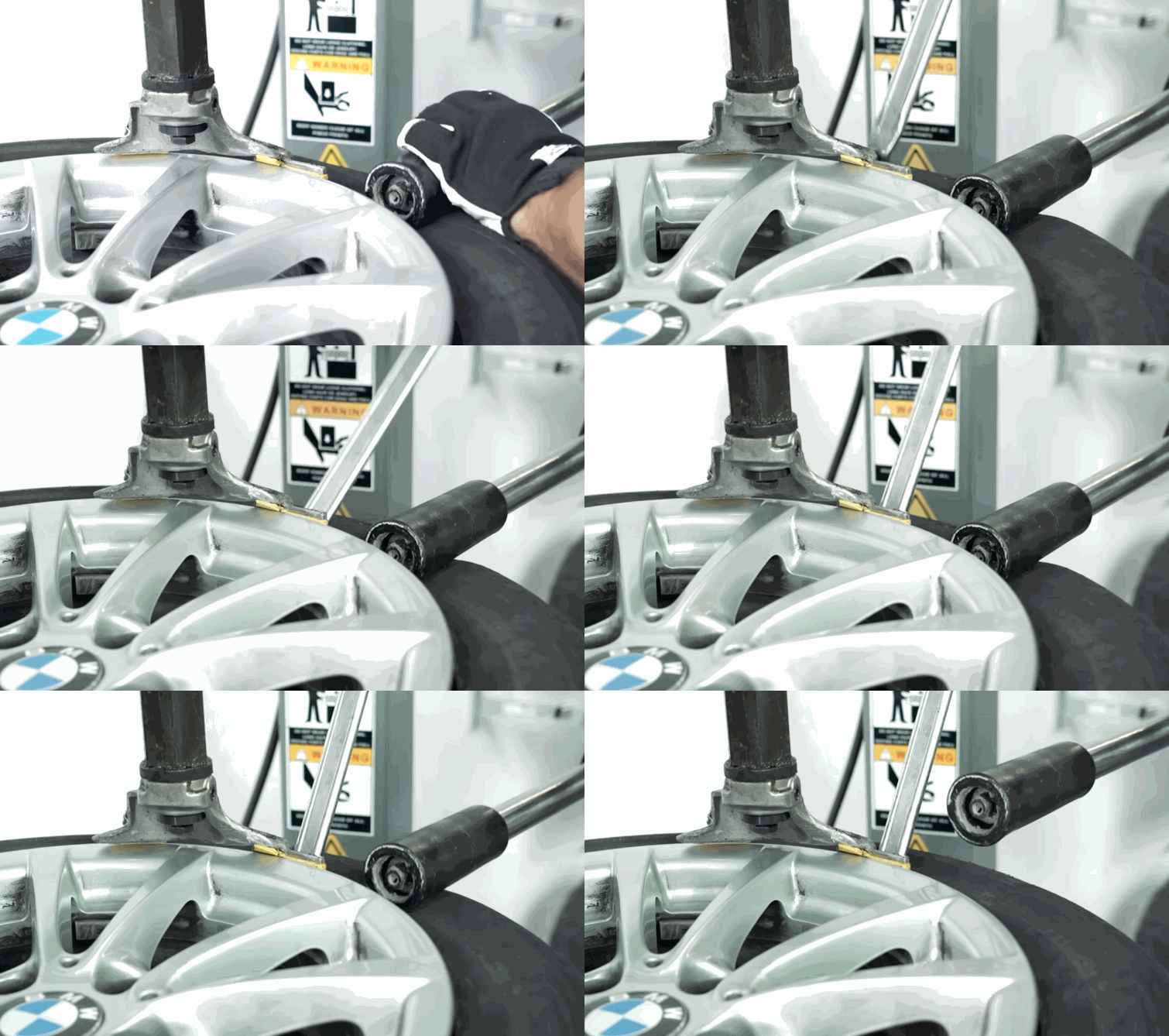
Improper wheel and tire installation can cause vibration, irregular tire wear, clearance problems, incorrect inflation, component damage, and, in serious cases, a wheel that isn’t properly secured. Some problems become obvious immediately, while others develop gradually as the vehicle accumulates kilometres.
One of the most important details is how the wheel is secured to the hub. Lug nuts or bolts need the correct seating type for the wheel, and they should be tightened to the appropriate manufacturer-specified torque. Incorrect hardware, uneven tightening, or excessive torque can create problems rather than making the wheel “extra secure.”
Not every symptom after tire work is necessarily caused by improper tire installation, however. Wheel vibration could come from an imbalance, but it may also be related to a bent wheel or tire issue. Uneven tire wear can point toward incorrect pressure, yet alignment or worn suspension components may also be responsible. Proper diagnosis matters because several problems can produce similar symptoms.
What shouldn’t happen is ignoring a change simply because the vehicle still drives. New vibration, pulling, rubbing during turns, unusual noises, or a noticeable change in handling after installation deserves inspection. Catching wheel installation problems early can prevent a relatively simple issue from becoming unnecessary tire wear or damage to another component.
Does Professional Installation Help Tires Last Longer?
Professional installation can support a longer tire lifespan by giving the tires the correct mounting, balance, pressure, and fitment from the beginning. It helps create the conditions for even wear, but what happens during the thousands of kilometres afterward matters just as much.
At One Stop Car Care, we see installation and tire maintenance as two parts of the same equation. Once a properly installed set leaves the shop, several habits can help protect that initial investment:
- Check tire pressure regularly. Correct inflation helps maintain an appropriate contact patch and reduces avoidable wear.
- Rotate tires when appropriate. Rotation can help manage differences in wear between axle positions, depending on the vehicle and tire setup.
- Pay attention to alignment symptoms. Pulling, an off-centre steering wheel, or abnormal wear patterns can indicate that the alignment should be checked.
- Inspect tread condition. Looking beyond remaining tread depth can reveal developing wear patterns before they become severe.
- Respond to impacts. A significant pothole strike deserves attention if it is followed by vibration, pulling, pressure loss, or other changes.
Professional installation cannot compensate indefinitely for aggressive driving, incorrect pressure, poor alignment, or neglected maintenance. Those factors can shorten tire life regardless of how carefully the original installation was performed.
Good wheel and tire care is therefore about maintaining the setup rather than assuming the job ended on installation day. Correct installation establishes the baseline, while inspections and routine care help encourage even tire wear throughout the usable life of the set.
What Should You Check When Choosing a Wheel and Tire Installer?
Choosing a wheel and tire installer should come down to technical knowledge, suitable equipment, fitment expertise, and consistent workmanship rather than price alone. The installer is responsible for making several decisions and adjustments that directly affect how the finished setup behaves on your vehicle.
Experience With Your Type of Setup
Factory replacement wheels and tires are relatively straightforward when specifications remain unchanged. Aftermarket wheel installation can require additional attention to offset, width, bolt pattern, hub fitment, tire dimensions, load capacity, and clearance.
An installer should be able to explain why a proposed setup works for your specific vehicle instead of relying on appearance or the fact that the wheel technically bolts onto the hub.
Equipment and Installation Procedure
Quality balancing equipment matters, but so does the person operating it. The same applies to tire mounting equipment. Proper tools help reduce the risk of damaging tires, wheel finishes, beads, and tire pressure monitoring components.
A professional tire installation service should also account for correct inflation and proper lug nut or bolt seating and torque before the vehicle is returned to the customer.
Clear Fitment Recommendations
A good installer should be willing to discuss compromises. Larger wheels, different tire profiles, and altered offsets can change ride quality, clearance, steering characteristics, and everyday usability.
That’s what separates basic installation from a professional wheel service. You should leave understanding not only what was installed, but why that wheel and tire combination is appropriate for your vehicle and the way you intend to drive it.
Conclusion: Why Professional Wheel and Tire Installation Is Worth It
Professional wheel and tire installation is worthwhile because correct fitment, mounting, balancing, inflation, and fastening all influence how safely and predictably a vehicle performs. Buying quality wheels and tires is only part of the investment. Those components still need to be matched and installed correctly to deliver the performance you purchased them for.
That becomes particularly relevant for year-round driving in Surrey. Wet pavement, regular highway commuting, construction areas, potholes, and changing seasonal conditions all place demands on the small contact patches connecting your vehicle to the road. A properly installed setup gives your tires the right foundation to do their job.
At One Stop Car Care, we can help you select a wheel and tire combination that makes sense for your vehicle, driving habits, and priorities, then make sure the installation receives the same attention as the components themselves.
One Stop Car Care

Car detailing service in Surrey, Canada
Address:
2320 King George Blvd #1, Surrey, BC V4A 5A5, Canada
Phone:
+1 604-338-4336
Questions & answers:
Be the first to ask a question