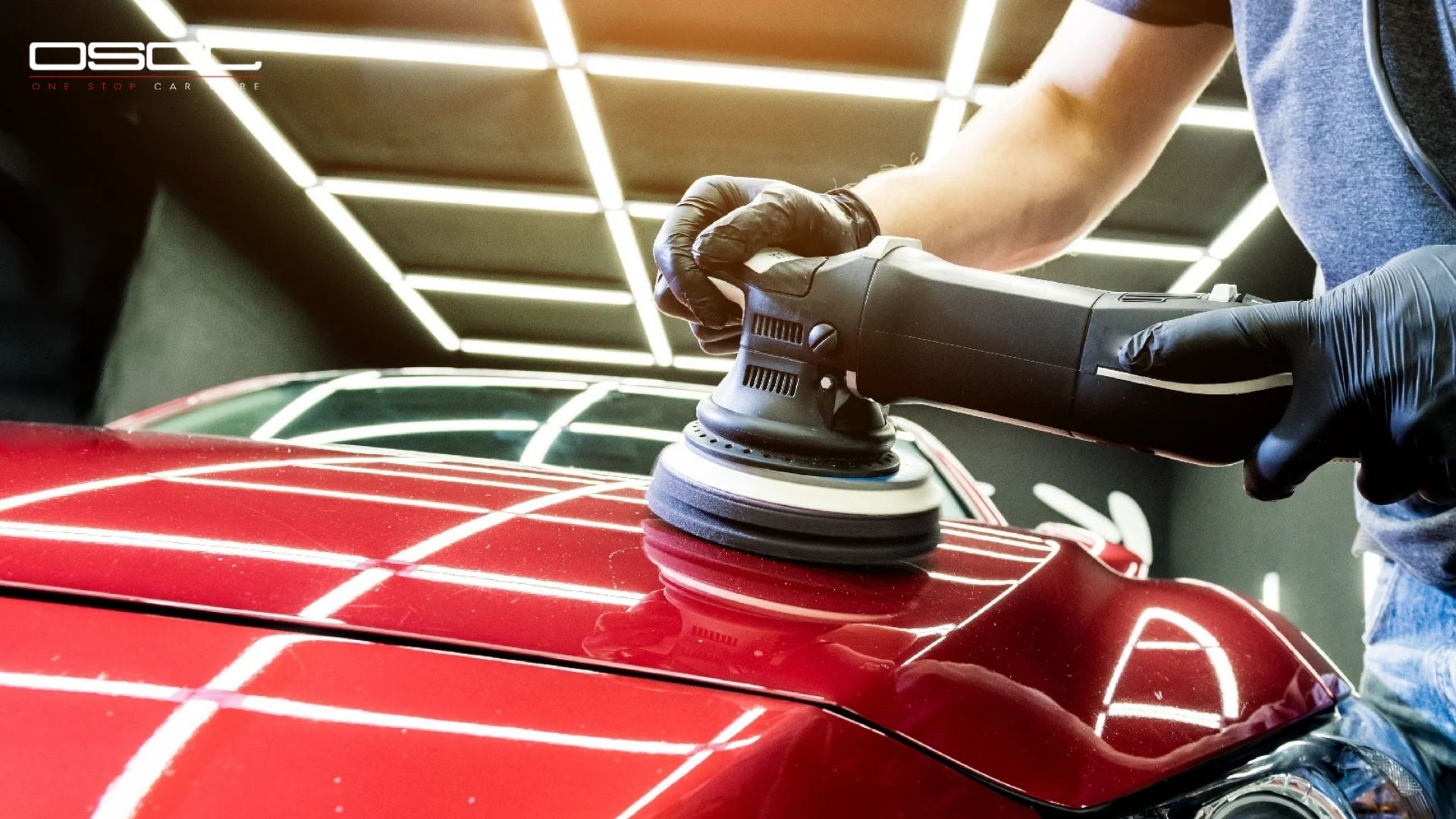
If you drive in Surrey, CA, you already know your paint doesn’t stay clean for long. Between the rain, constant road spray, and that gritty film that builds up after a few days, your car takes a beating even when you’re careful. That’s exactly why ceramic coating has become such a popular long-term upgrade here.
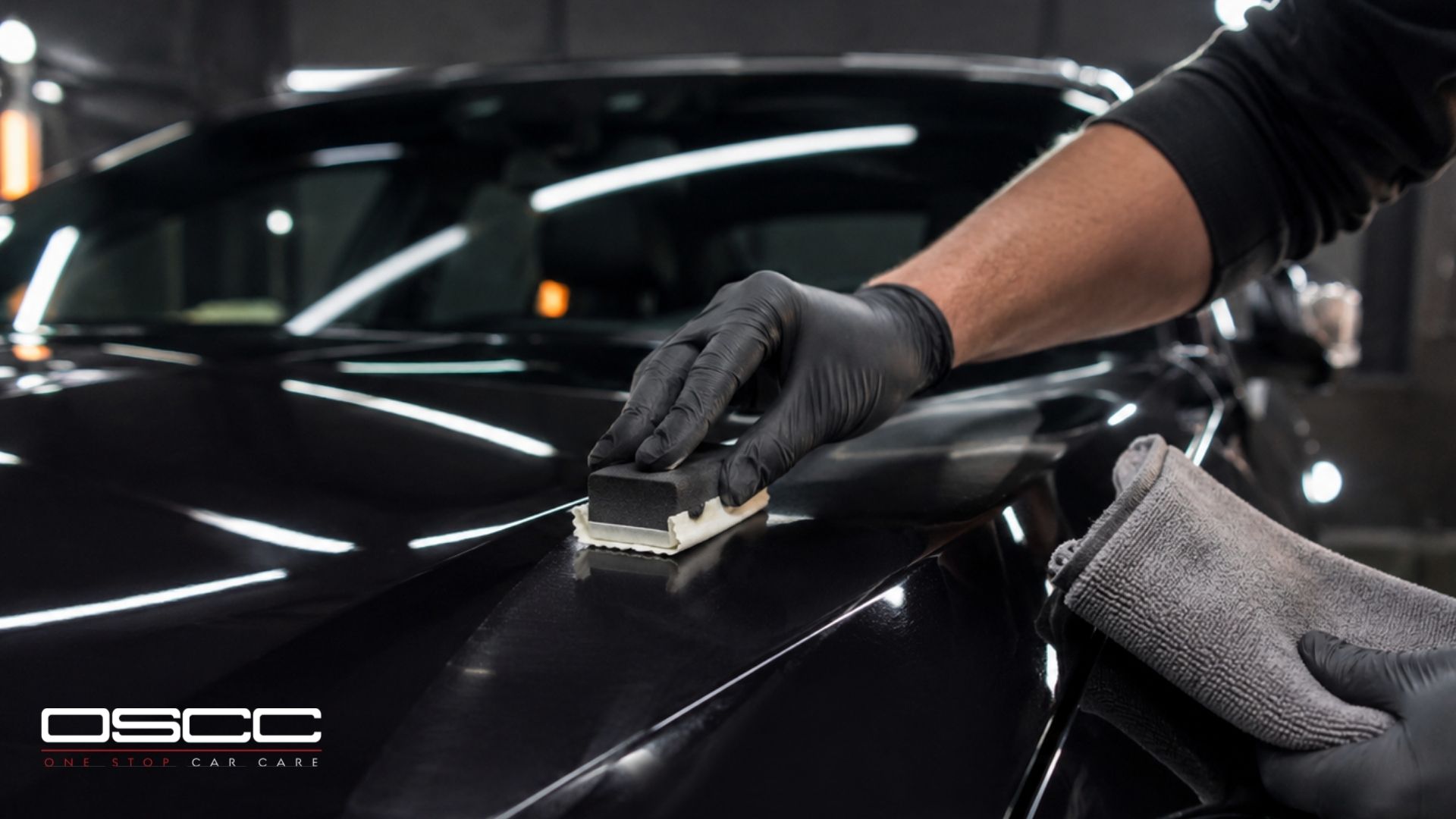
A proper ceramic coating application creates a durable protective layer over your clear coat. Think of it like a semi-permanent shield that helps your paint stay glossier, reduces how hard contamination sticks, and makes washing your car way less annoying.
Now the straight answer: Yes — ceramic coating can last years, but it may need to be reapplied.
Not because it “fails,” but because it gradually wears depending on how the vehicle is used and how it’s maintained. Surrey conditions matter a lot: we deal with moisture almost year-round, plus road grime that doesn’t take breaks, and winter contamination that hits the lower panels hard.
So the real question isn’t “Does it last forever?” It’s “How long will it perform at a high level for your specific driving habits?”
What Ceramic Coating Does (And What It Doesn’t)
This is where most people get the wrong idea, mostly because ceramic coating gets marketed like it’s some kind of invincible protection.
Here’s the real deal: ceramic coating protects against exposure, not impact.
What ceramic coating does really well
- Helps prevent oxidation and fading from UV exposure
- Keeps paint looking deeper and shinier longer (gloss retention)
- Adds chemical resistance against pollution, road film, and grime
- Creates hydrophobic protection, meaning water beads and slides off easier
- Makes washing faster and safer because you don’t need aggressive scrubbing
In real ownership terms, ceramic coating mainly saves you from the slow damage — the kind that makes paint look dull after a couple of years, even when you “take care of it.”
How Long Ceramic Coating Usually Lasts
You’ll see people online claim ceramic coatings last “up to 10 years,” and while that can be technically possible, it’s not the right way to set expectations. Longevity depends on coating quality, prep work, curing, and how the vehicle lives day to day.
A more honest way to look at lifespan is this:
- Some coatings are short-term and wear down within months to about a year
- Professional-grade coatings often last multiple years
- Higher-end coatings can last longer, but only when installed and maintained properly
What makes the biggest difference isn’t just the product — it’s everything around it:
- Paint prep (decontamination and polishing)
- Proper cure time and controlled application
- How often you wash the vehicle and what you use
- Whether the car is parked outdoors or protected
In Surrey, constant wet roads and highway spray (especially if you’re commuting on Highway 1) adds extra wear. The coating still lasts — but it gets challenged harder than in dry climates.
Signs Your Ceramic Coating Is Wearing Off
You don’t need special tools to notice when ceramic coating performance is dropping. Most people spot it during normal washing, because the behavior changes.
Here are the biggest signs we look for:
The coating isn’t “acting coated” anymore
- Water beading becomes weaker
- Water doesn’t sheet off as quickly
- The surface stays wetter longer after rinsing
Your paint feels different
- It feels less slick
- Dirt starts sticking faster
- The car looks dusty sooner than it used to
Performance becomes uneven
This one is very common in Surrey. You’ll notice:
- Doors still bead nicely
- But the hood and bumper look flat
- Rocker panels feel like they’re holding grime
If you’re suddenly seeing water spots show up more often (especially after rainfall), that’s usually a sign the top layer is getting tired — not necessarily gone, but not strong like it used to be.
Surrey Conditions That Can Shorten Coating Performance
Surrey is the type of environment where ceramic coating makes a lot of sense — but it’s also the type of environment that can wear coatings down faster if you’re not maintaining them correctly.
A few Surrey-specific factors that matter:
Moisture is constant
Rain and humidity keep contamination active. Water doesn’t “wash the car,” it spreads grime around and leaves minerals behind when it dries.
Highway spray is aggressive
If you’re driving Highway 1 regularly, you’re getting nonstop road spray hitting the front end. That spray carries grit and grime that slowly reduces performance over time.
City grime adds layers
Stop-and-go traffic along Fraser Hwy or King George Blvd builds film faster than people realize. It’s not just dust — it’s a mix of residue that bonds to paint.
🛡️ Keep Your Ceramic Coating Performing in Real Surrey Conditions
Driving in Surrey means your vehicle is constantly exposed to rain, road grime, highway spray, and seasonal contamination that slowly wear down exterior protection. Even a well-installed ceramic coating can lose performance over time if those conditions aren’t accounted for through proper maintenance and timely evaluation. Knowing when a coating simply needs care, when a refresh makes sense, and when reapplication is actually necessary helps you get the most value from your investment.
If you’re unsure how your ceramic coating is holding up or want guidance based on how you really drive, the team at One Stop Car Care is here to help. We focus on practical, experience-based recommendations tailored to Surrey driving conditions, so your vehicle stays protected without unnecessary services or guesswork.
Get My Free Quote
Why Ceramic Coating Application Quality Impacts Reapplication Timing
Here’s something we’ve seen again and again: the coatings that last the longest aren’t always the ones with the fanciest marketing claims. They’re the ones installed properly from the start. A professional ceramic coating application isn’t just “apply product and wipe it off.” The real value is in the prep and control.
If the paint isn’t properly decontaminated and polished, the coating can’t bond the way it’s supposed to. That weak bonding usually shows up later as uneven performance: patchy beading, faster contamination buildup, and certain panels wearing down way earlier than others.
Curing is another big one. Coatings need controlled conditions and the right timing to set correctly. Rushed work or inconsistent application can lead to weaker durability and a shorter lifespan, even if the coating itself is a good product.
At One Stop Car Care, we take the prep process seriously because Surrey conditions don’t give coatings an “easy life.” When you’re dealing with rain, road spray, and winter grime, installation quality directly impacts how long the coating stays strong.
Maintenance Habits That Reduce How Often You Need Reapplication
Ceramic coating lasts longer when you treat it like protection that needs maintenance, not protection that eliminates maintenance. The good news is the upkeep isn’t complicated, it just needs to be consistent.
A few habits make a huge difference:
- Regular gentle hand washing to avoid contamination layering onto the surface
- Avoiding harsh chemicals that strip protection over time
- Skipping aggressive automatic washes that can create micro-marring and reduce performance
- Safe drying habits (especially in Surrey) to reduce water spotting from mineral deposits
If you want to keep that hydrophobic behavior strong, coating-safe toppers also help. They don’t replace the coating, but they refresh slickness and hydrophobic protection, especially after a heavy winter season.
In Surrey, this matters more than people think. Because of all the rain and road spray, a coated car still needs washing, it just becomes easier and safer when you do.

What “Reapplying” Ceramic Coating Actually Means
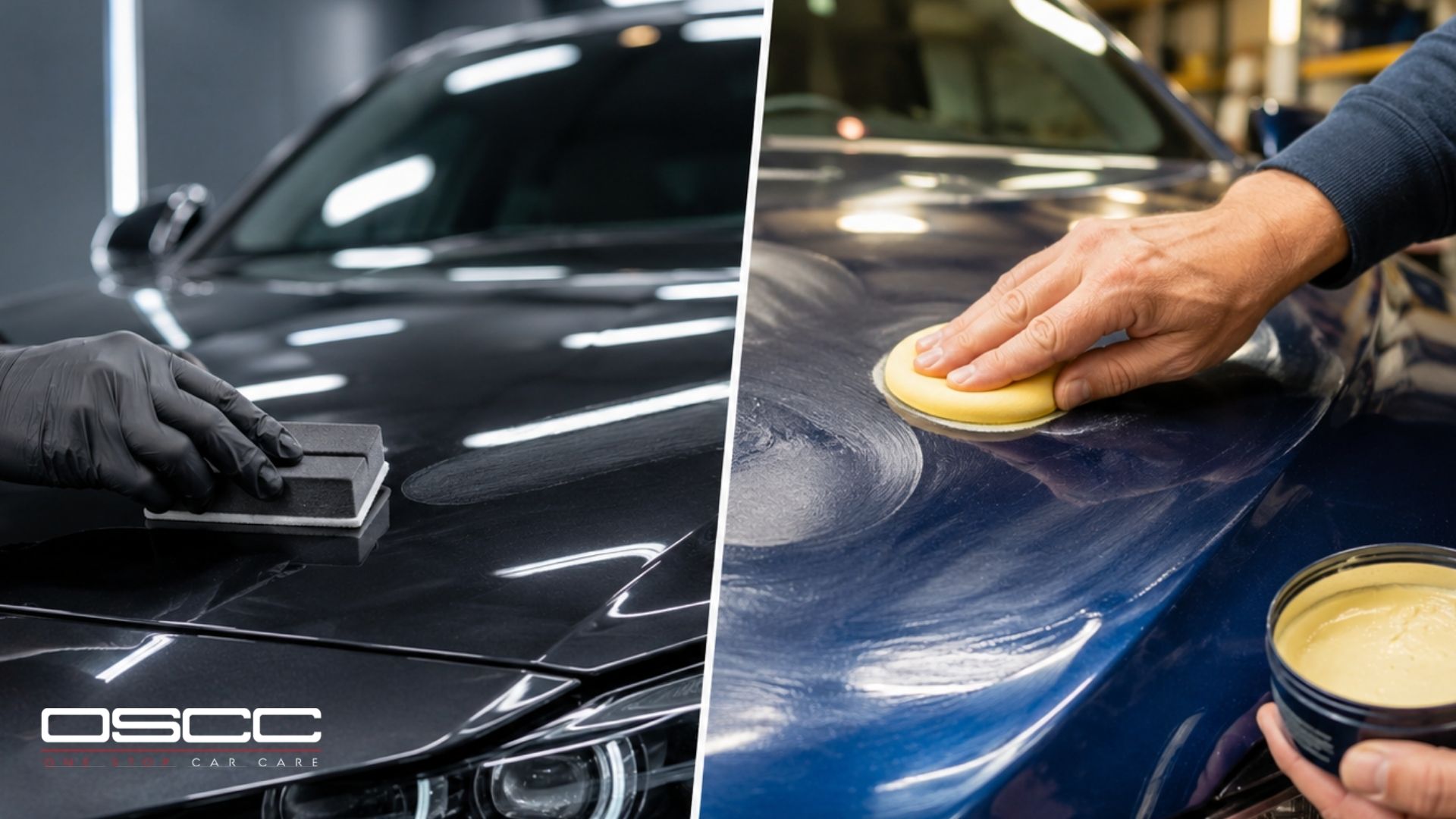
A lot of drivers hear “reapply ceramic coating” and assume it’s like waxing again. But true ceramic coating reapplication is a different process.
First, it’s important to separate two things:
Booster / topper
This is a coating-safe maintenance product that refreshes hydrophobic behavior and gloss. It’s quick, helpful, and great for keeping performance strong.
True ceramic coating reapplication
This is the real reset. It typically involves:
- Evaluating coating condition
- Removing contamination
- Doing correction work if needed
- Applying a new ceramic coating layer properly
And here’s the key: you usually can’t just layer fresh ceramic coating over a neglected surface and expect great results. If the paint is contaminated or the coating has uneven wear, it needs prep work again.
In many cases, partial reapplication makes more sense than doing the entire vehicle. High-impact panels like the hood, bumper, mirrors, and rocker panels take the most abuse in Surrey, so they may need attention first.
At One Stop Car Care, we focus on honest evaluations. If a full recoat isn’t necessary, we’ll tell you. If certain panels are worn and others are still performing well, we approach it practically.
When Reapplication Makes Sense for Surrey Drivers
Reapplication isn’t something every coated car automatically needs after a certain number of years. It’s usually tied to exposure and usage.
It makes the most sense when:
- The vehicle is parked outdoors year-round and constantly exposed to rain and grime
- You’re a high-mileage commuter dealing with Highway 1 spray and heavy road contamination
- You want the “easy cleaning” benefit back because washing is becoming harder again
- You plan to keep the car for several more years and want paint protection to stay consistent
For Surrey drivers, reapplication is often less about aesthetics and more about keeping your vehicle protected in a climate that naturally wears paint down faster. It’s a long-term ownership decision, not just a detailing upgrade.
Conclusion: Keeping Ceramic Coating Performing Like It Should
So, does ceramic coating need to be reapplied? Sometimes yes, but not because it “expires.” It depends on installation quality, maintenance habits, and how much exposure your vehicle sees in Surrey conditions.
Rain, road grime, highway spray, and winter contamination all play a role, which is why it’s smarter to judge coating condition by performance signs, not by an exact calendar timeline. When hydrophobic behavior fades, when spotting increases, or when washing becomes harder again, that’s when it’s worth getting it checked.
If you’re unsure where your coating stands, the team at One Stop Car Care is here to help. We’ll inspect the paint, explain what we’re seeing, and recommend the most practical next step, whether that’s maintenance guidance, partial reapplication, or a full ceramic coating refresh.
Contact us today to schedule an inspection or talk through ceramic coating reapplication in Surrey, CA. We’ll help you keep your paint protected the way it should be.
One Stop Car Care

Car detailing service in Surrey, Canada
Address:
2320 King George Blvd #1, Surrey, BC V4A 5A5, Canada
Phone:
+1 604-338-4336
Questions & answers:
Be the first to ask a question