Winter car maintenance in Surrey, BC, should focus on battery health, tire condition, visibility, fluid levels, and protection against moisture and freezing temperatures. Although Surrey doesn’t experience the same extreme cold as many other Canadian cities, frequent rainfall, overnight frost, and occasional snow or ice can still affect vehicle reliability and driving safety.
Wet pavement, reduced daylight, and changing temperatures create different maintenance priorities than those of the warmer months. A vehicle that performs normally during autumn may develop starting difficulties, reduced traction, or visibility problems as winter progresses.
Preparing early helps reduce preventable breakdowns and makes everyday driving more predictable, whether you’re commuting along Highway 1, travelling on King George Boulevard, or navigating residential streets after a frosty night.
Why Is Winter Car Maintenance Important in Surrey, BC?
Winter car maintenance is important in Surrey because persistent moisture, colder temperatures, and occasional freezing conditions can expose weaknesses in a vehicle’s electrical, braking, and tire systems. Even when temperatures remain above freezing during the day, overnight frost can create unexpected challenges.
Unlike regions where deep snow is the primary concern, Surrey drivers often deal with prolonged wet conditions. Road spray, standing water, fogged windows, and reduced visibility can affect daily driving for weeks at a time.
Several winter-related factors deserve attention:
- Frequent rain: Worn tires and windshield wipers become more noticeable when roads and glass remain wet.
- Overnight frost: Ice can form on windshields, mirrors, and exposed road surfaces, particularly during colder mornings.
- Lower temperatures: Aging batteries may struggle to provide sufficient starting power.
- Reduced daylight: Functional headlights, taillights, and clear windows become increasingly important.
- Occasional snow and ice: Tire selection and vehicle preparation need to account for changing road conditions.
At One Stop Car Care (OSCC), we encourage drivers to think of winter preparation as a combination of small inspections rather than one major service. Addressing worn components and maintenance issues before temperatures drop can make the season considerably easier to manage.
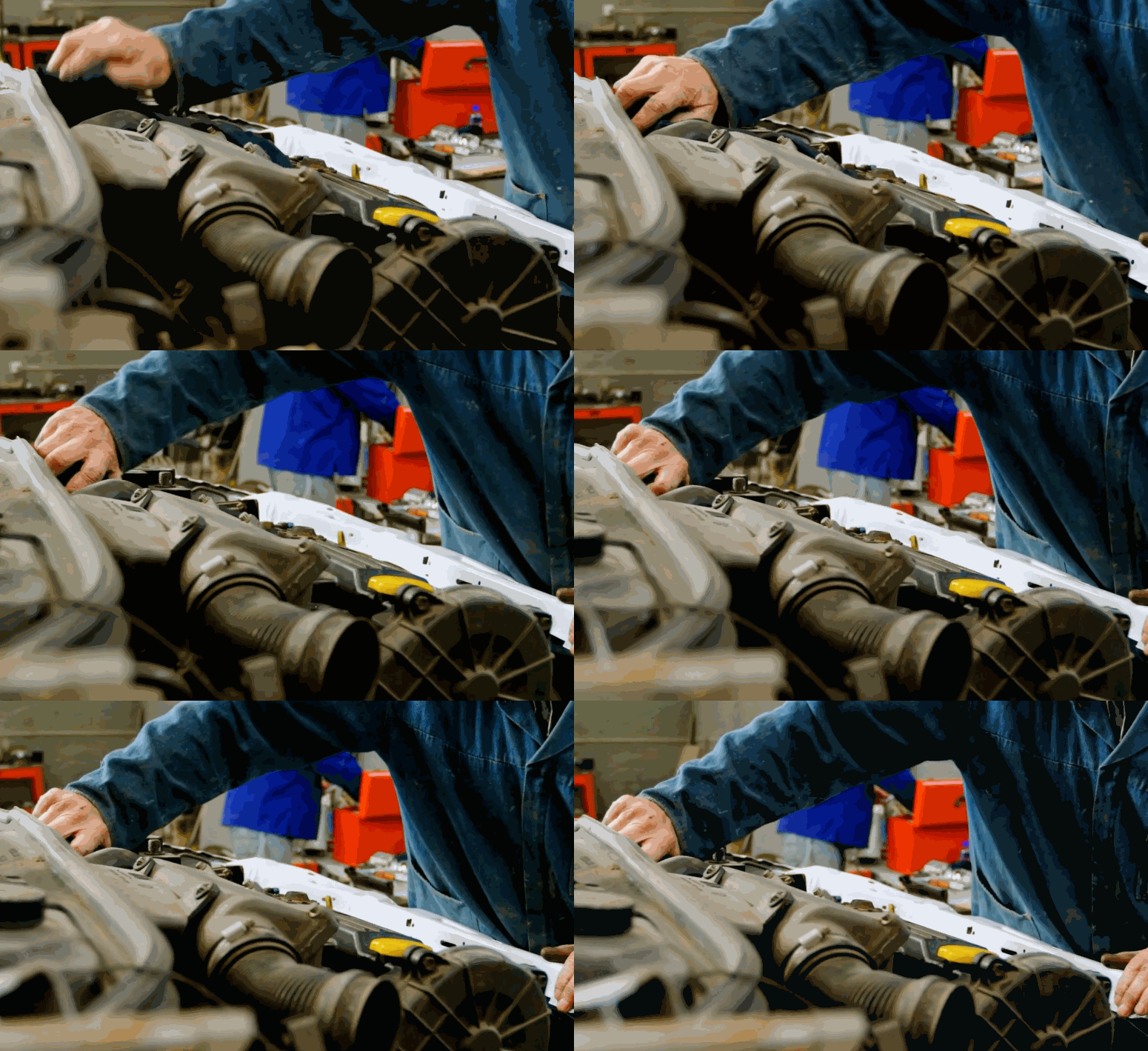
Check Your Car Battery Before Cold Weather Arrives
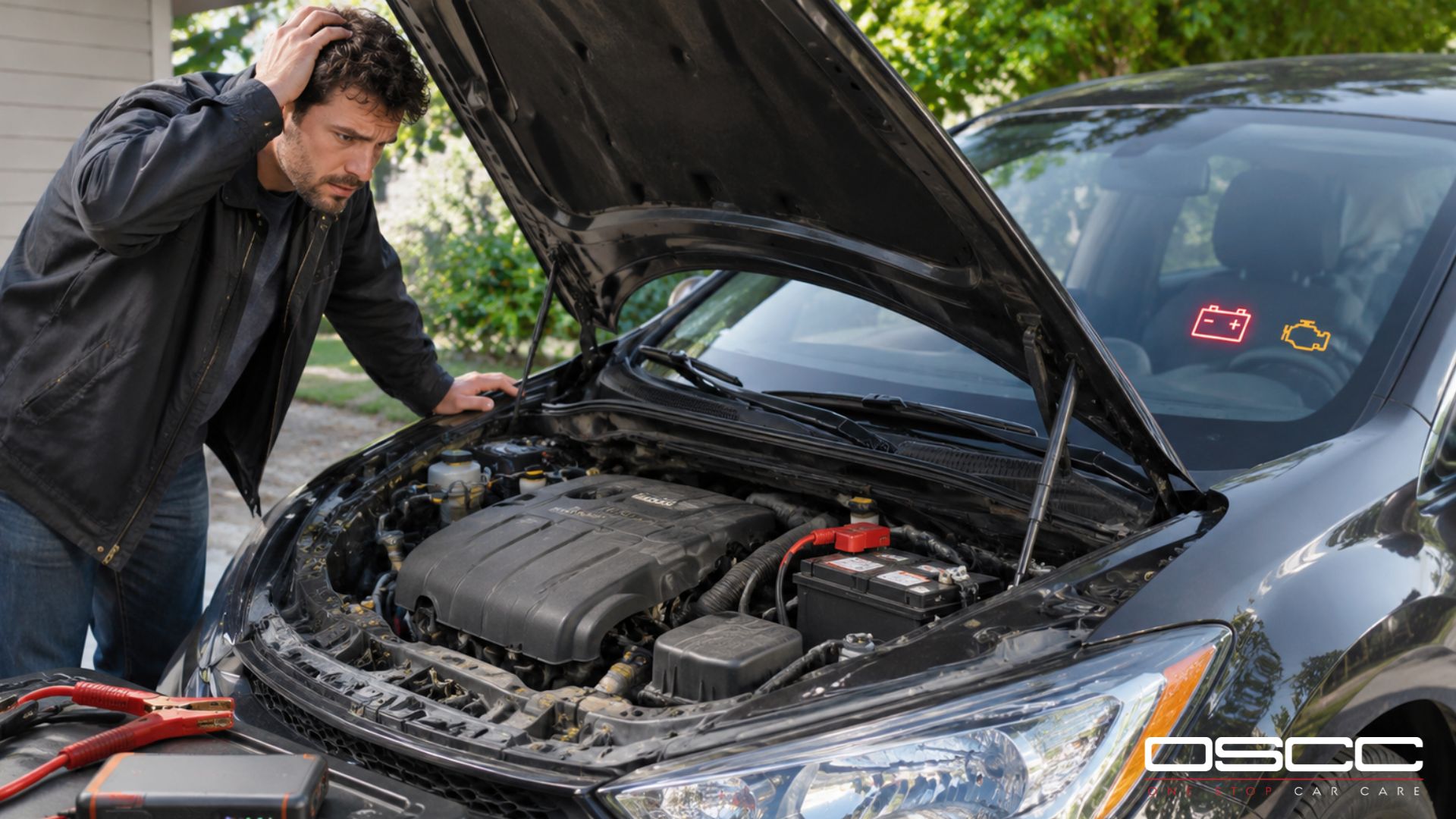
A battery inspection should be one of the first steps on a winter car maintenance checklist because colder temperatures reduce battery performance while starting the engine can demand more electrical power. A battery that seemed reliable during summer may struggle on a frosty Surrey morning.
Winter Battery Status
Watch for Early Signs of Battery Trouble
Select any symptoms or driving conditions you have noticed. The illustration and recommendation will update automatically.
Start With a Routine Battery Inspection
No symptoms have been selected. Continue with a visual inspection and consider professional testing before winter, especially if your battery is aging.
What Should You Check Before Winter?
Inspect accessible battery components and arrange professional testing when needed. Complete the steps below as part of your winter preparation routine.
Why Battery Testing Matters Before Winter
Slow engine cranking, flickering dashboard lights during startup, or repeated difficulty starting after parking can indicate a weak battery or another electrical problem.
Short journeys can also contribute to low battery charge, particularly when headlights, heating, and other electrical accessories are used frequently.
A professional battery test can assess the battery's condition and starting capability. Charging-system testing can also help identify problems that might otherwise be mistaken for battery failure. Testing an aging or weakening battery before winter is generally more practical than waiting for a no-start situation.
Inspect Your Tires for Rain, Frost, and Winter Roads
Tire condition directly affects traction, braking, and handling on Surrey’s wet and occasionally icy roads. Adequate tread depth, correct inflation, and appropriate seasonal tires are essential because the tires provide the only contact between your vehicle and the pavement.
A tire that still looks usable may not offer the performance needed for winter conditions, particularly when tread is worn or temperatures drop.
Your winter tire inspection should include:
- Tread depth: Check for adequate remaining tread and uneven wear. Deeper tread generally helps tires evacuate water and maintain traction in wet conditions.
- Tire pressure: Measure inflation when the tires are cold and follow the vehicle manufacturer’s recommended pressure.
- Sidewall condition: Look for cuts, bulges, cracks, or other visible damage that may require professional inspection.
- Seasonal suitability: Consider whether your current tires are appropriate for the temperatures and road conditions you expect to encounter.
- Wheel condition: Inspect for visible damage and pay attention to vibration that may indicate a wheel, tire, or balancing problem.
Winter tires can provide important advantages in colder conditions, even when roads aren’t covered in deep snow. However, tire requirements also depend on where you drive.
For example, designated British Columbia highways require approved winter tires or chains during specified periods. Drivers travelling beyond Surrey toward mountain routes should verify the applicable requirements and ensure their tires meet them.
At OSCC, wheel and tire services can help drivers assess fitment, tire condition, and suitable options for their vehicles before winter weather becomes more demanding.
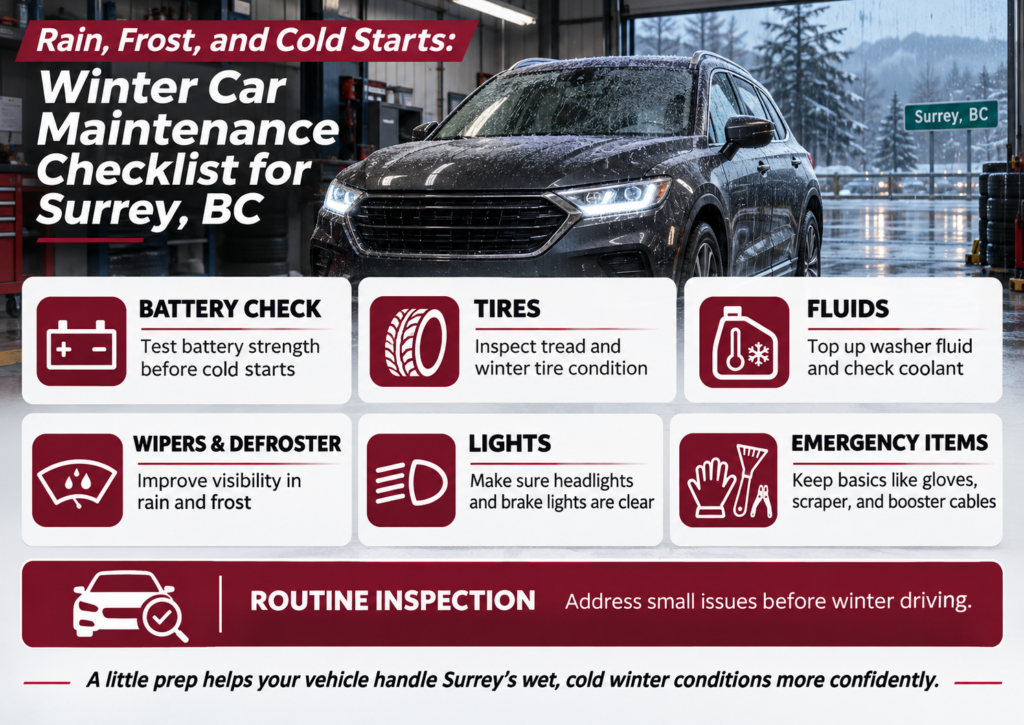
Make Sure Your Windshield Wipers and Washer Fluid Are Ready
Windshield wipers and washer fluid deserve attention before winter because rain, road spray, and grime can quickly reduce visibility when the glass isn’t being cleaned effectively. In Surrey’s wet climate, worn wiper blades can become a daily frustration rather than an occasional inconvenience.
Wiper blades should clear water smoothly without leaving heavy streaks, skipping across the glass, or producing excessive chatter. Cracked rubber and uneven contact are signs that replacement may be necessary.
Washer fluid also needs to be appropriate for winter temperatures. A summer formulation may freeze when temperatures drop, potentially preventing the washer system from operating when it’s needed.
Check the reservoir and use a washer fluid rated for the conditions you expect. Avoid adding plain water as a substitute during freezing weather.
It’s also worth cleaning the inside of the windshield. Interior film and condensation can create glare, especially when headlights reflect through moisture on the glass during dark, rainy commutes.
Check Your Vehicle's Heating and Defrosting Systems

A functioning heating and defrosting system is essential for maintaining visibility during Surrey’s cold, damp weather. Even when the engine starts normally and the vehicle drives well, a windshield that won’t clear properly can make driving unsafe.
Moisture from wet clothing, footwear, and umbrellas can increase humidity inside the cabin. When that moisture meets cold glass, condensation develops and may obstruct the driver’s view.
Test the Defroster Before You Need It
Turn on the front defroster and confirm that air reaches the windshield through the correct vents. Check whether the system can clear condensation effectively and whether the rear window defogger operates as expected.
Air conditioning can also help remove moisture from cabin air when used with the appropriate climate control settings.
Don’t Overlook the Cabin Air Filter
A heavily restricted cabin air filter can reduce airflow through the ventilation system, making window clearing less effective. Weak airflow may also result from blower or ventilation system problems.
If the windows repeatedly fog up despite using the climate controls correctly, further inspection may be necessary. Reliable defrosting is a visibility requirement, not simply a comfort feature.
Inspect Your Brakes Before Winter Road Conditions Get Worse
Brake maintenance is particularly important during Surrey's rainy winter months because wet pavement, reduced traction, and unpredictable road conditions can increase stopping distances. Even a properly functioning braking system depends on the available grip between the tires and the road.
Brake pads, rotors, and hydraulic components should be inspected for excessive wear, corrosion, leaks, and other signs of deterioration. Moisture and road contamination can contribute to surface rust on brake rotors, especially when a vehicle remains parked for extended periods.
Explore Common Brake Warning Signs
Warning Signs You Shouldn't Ignore
Select any symptoms you've noticed while driving or braking. Your recommendation will update automatically.
Start With a Routine Brake Inspection
No warning signs have been selected. Continue with routine brake maintenance and consider an inspection before winter driving conditions worsen.
Winter Brake Inspection Checklist
Use this checklist to track the areas that should be examined during a brake inspection. Some checks require a qualified technician.
Why Brake Concerns Matter During Surrey Winters
Some light surface rust may disappear after normal braking, but persistent noise or changes in braking performance shouldn't be dismissed as ordinary winter behaviour.
At OSCC , we recommend addressing brake concerns before they become more noticeable during heavy rain or colder weather. A professional brake inspection can help identify worn components and determine whether maintenance or repairs are necessary.
Check Essential Fluids and Watch for Winter Leaks
Checking essential vehicle fluids helps prevent mechanical problems during winter because the engine, cooling system, transmission, and braking system depend on fluids operating within their specified ranges and conditions.
Colder temperatures don’t automatically cause fluid failures, but existing leaks, low levels, and neglected maintenance can become more troublesome when the vehicle is exposed to changing temperatures.
Pay particular attention to:
- Engine oil: Verify the level and follow the manufacturer’s recommended oil specification and service interval.
- Engine coolant: Confirm the correct coolant level and appropriate antifreeze concentration for winter temperatures.
- Brake fluid: Check for low levels or signs of leakage, which may indicate a problem requiring inspection.
- Transmission fluid: Follow the manufacturer’s inspection and maintenance recommendations, since procedures vary between vehicles.
- Power steering fluid: On vehicles with hydraulic power steering, check the fluid according to the manufacturer’s instructions.
Coolant deserves special attention because it must protect against both overheating and freezing. Using the wrong mixture or an incompatible coolant can create problems within the cooling system.
Fluid checks should always be performed using the appropriate procedure. Never remove a pressurized coolant cap while the engine is hot.
Keep a Winter Emergency Kit in Your Vehicle
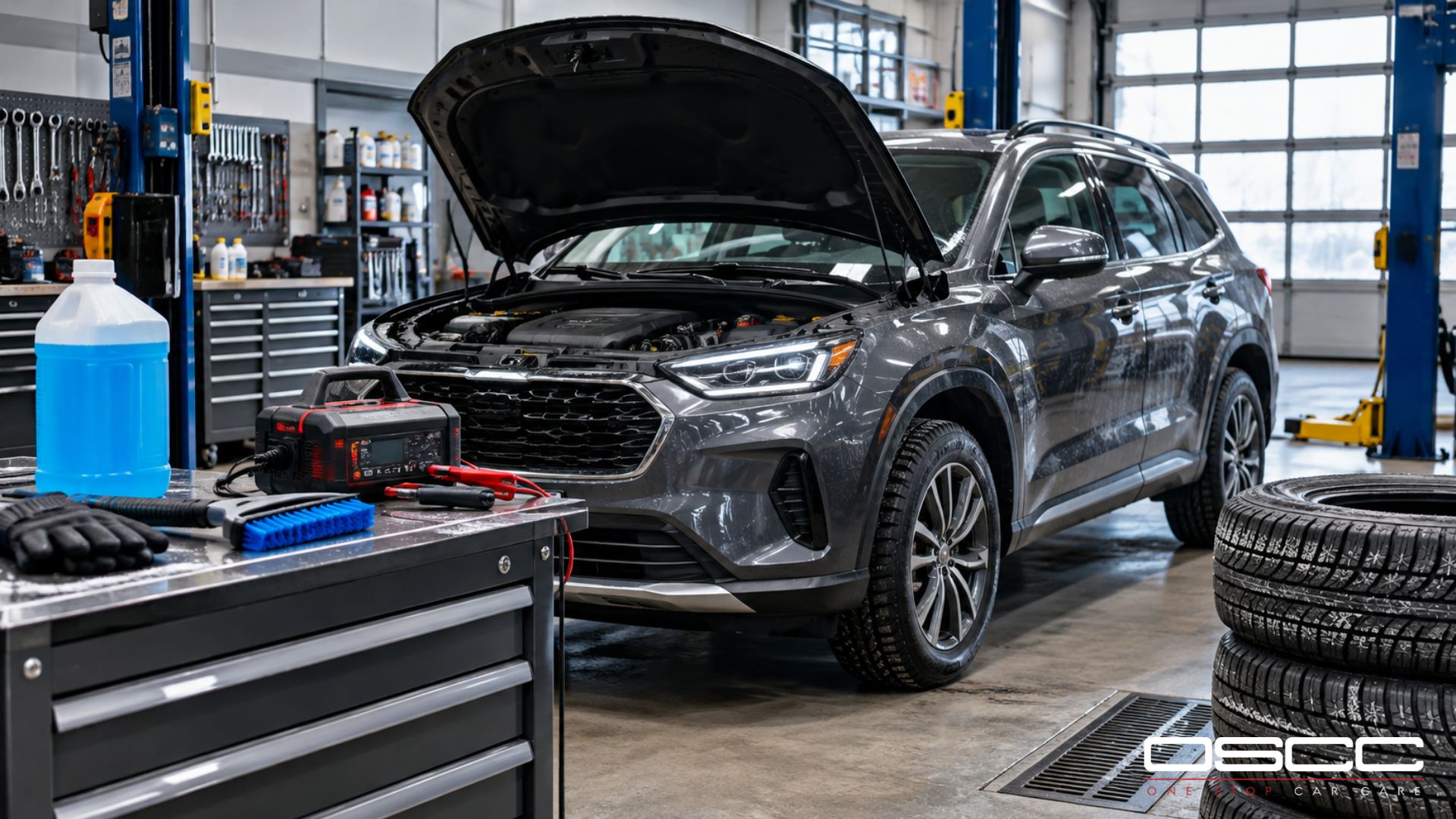
A winter emergency kit is worth keeping in your vehicle because unexpected breakdowns, freezing temperatures, and road closures can leave drivers waiting longer than anticipated. Even around Surrey, conditions can change considerably when travelling toward higher elevations or more remote parts of British Columbia.
A practical kit should include:
- An ice scraper and snow brush.
- A flashlight with working batteries.
- Warm clothing, gloves, and an emergency blanket.
- A phone charging cable or portable power bank.
- Basic first-aid supplies.
- Reflective warning equipment appropriate for roadside use.
- Drinking water and non-perishable snacks.
- Vehicle-specific emergency equipment recommended by the manufacturer.
Before longer winter journeys, check the weather forecast, road conditions, and any winter tire or chain requirements along your route.
British Columbia’s DriveBC service can also provide useful information about highway conditions, incidents, and travel advisories.
Conclusion: Prepare Your Car for Surrey's Rain, Frost, and Cold Starts
Preparing your vehicle for winter in Surrey means paying attention to battery health, tires, brakes, visibility, fluids, and protection against moisture and road contamination. These systems work together to keep the vehicle dependable when temperatures fall and road conditions become less predictable.
The most useful approach is preventive rather than reactive. A battery test before the first cold morning, tire inspection before slippery conditions develop, or brake check before a long winter commute can help identify problems while they're still manageable.
Your Winter Readiness Checklist
Select each area you've already addressed. Your progress will update as you prepare your vehicle for Surrey's winter conditions.
Surrey's winter weather may be relatively mild compared with other parts of Canada, but frequent rain, occasional frost, and changing highway conditions still demand proper vehicle maintenance.
Preventive care helps you address potential problems before they interfere with your winter driving routine.
Get Your Vehicle Ready for Winter With OSCC
At OSCC, we help Surrey drivers stay on top of vehicle care through relevant maintenance, wheel and tire services, and exterior protection options.
Contact OSCC About Winter Maintenance →One Stop Car Care

Car detailing service in Surrey, Canada
Address:
2320 King George Blvd #1, Surrey, BC V4A 5A5, Canada
Phone:
+1 604-338-4336
Questions & answers:
Be the first to ask a question