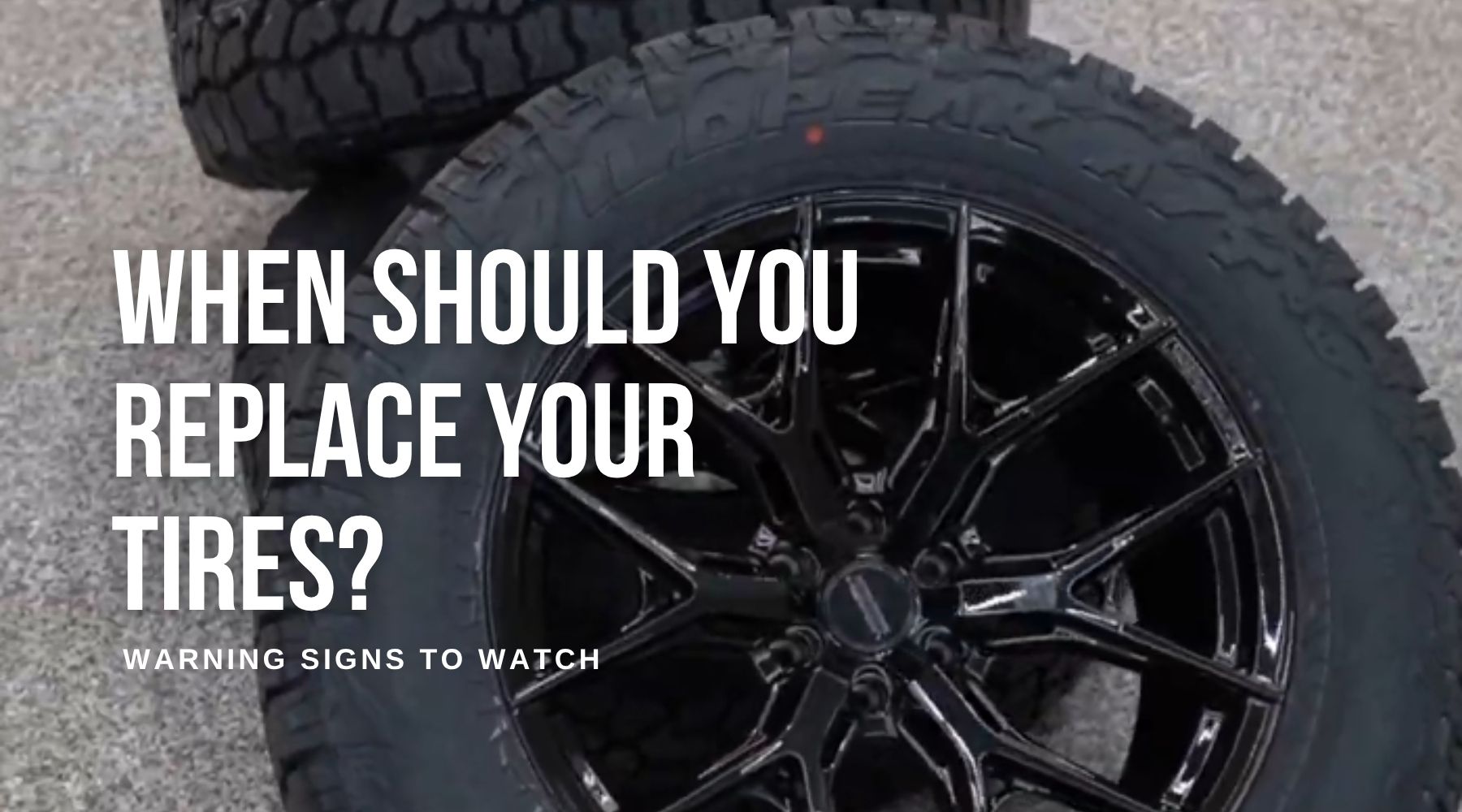
For many drivers, tires are one of those vehicle parts that stay out of mind until something feels wrong. Maybe your car takes longer to stop in the rain. Maybe the steering feels a little less steady on King George Boulevard. Maybe one tire keeps losing air, even though you just filled it last week.
At One Stop Car Care, we help drivers in Surrey make sense of these warning signs every day. Knowing when to replace tires is not just about avoiding a flat. It is about protecting your safety, improving traction, maintaining ride comfort, and keeping your vehicle performing the way it should.
Your tires are the only parts of your vehicle that touch the road. When they are in good condition, they help with braking, cornering, wet-road grip, fuel efficiency, and overall control. When they are worn, damaged, aged, or unevenly wearing down, your vehicle may not respond the way you expect.
In this guide, we will walk you through the most important tire replacement warning signs, how to check your tires at home, and how to know when to replace tires before they become a bigger safety concern.
Why Tire Condition Matters for Surrey Drivers
Driving in Surrey means dealing with a mix of city traffic, wet roads, highway trips, potholes, construction zones, and seasonal changes. Your tires need to handle all of it.
Rain is one of the biggest reasons tire condition matters here. When tire tread is healthy, it helps move water away from the tire so the rubber can stay connected to the road. When tread depth gets too low, water has fewer channels to escape through. That increases hydroplaning risk, reduces tire grip, and can make your stopping distance longer.
This is why we always encourage drivers to check their tires before heavy rain, winter travel, or long road trips. Waiting until your tires are completely bald is risky. In many cases, signs you need new tires appear long before the tire looks obviously unsafe.
If you are unsure whether your tires are still road-ready, our wheels and tires service in South Surrey can help you get a professional inspection and honest recommendation.
When to Replace Tires: The Main Warning Signs
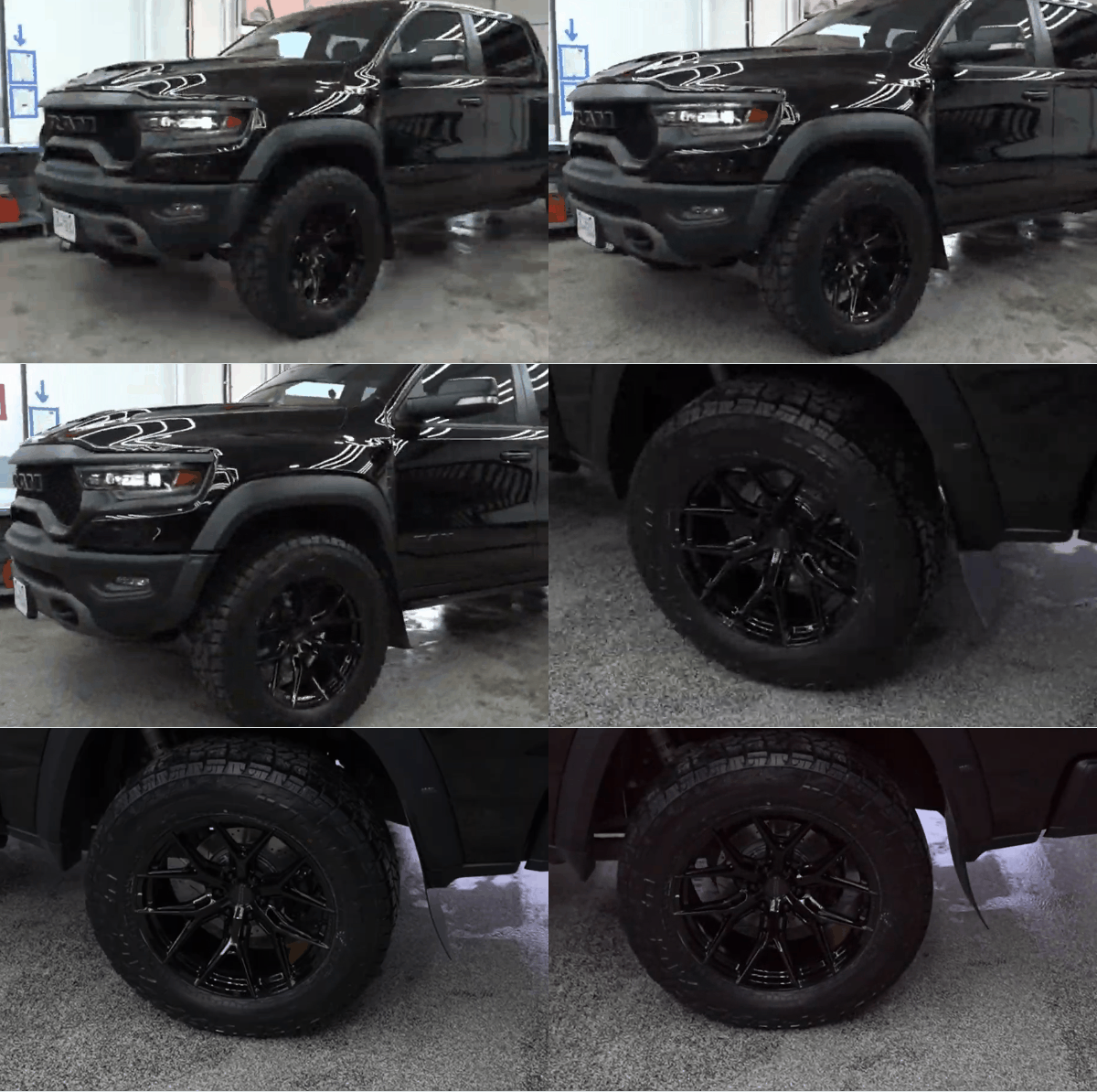
There is no single answer for every vehicle, but there are clear signs that help you know when to replace tires. Some warning signs are visible, while others show up in the way your vehicle feels on the road.
1. Your Tread Depth Is Too Low
Tread depth is one of the most important indicators of tire safety. Tire tread helps maintain traction, move water away from the road surface, and support stable braking and handling.
As tread wears down, your tires lose their ability to grip properly. This is especially noticeable in rainy weather, where shallow tread can increase hydroplaning risk. If your vehicle feels less confident in wet conditions, your tread depth may be part of the problem.
A simple way to check is to look inside the main tread grooves. If the grooves look shallow or the tread is close to the built-in wear indicators, it may be time to replace the tires. For a more accurate reading, use a tread depth gauge or have a tire professional inspect them.
When drivers ask us when to replace tires, tread depth is one of the first things we check.
2. The Tread Wear Bars Are Level With the Tread
Most tires have built-in tire wear indicators called tread wear bars. These are small raised bars located inside the tread grooves.
When the tire tread wears down until it is level with these bars, the tire has reached its replacement point. At this stage, the tire may no longer provide safe grip, especially on wet roads.
This is one of the easiest tire replacement warning signs to spot. If the tread wear bars are flush with the rest of the tire, do not wait for the tire to become completely bald. Your traction and stopping distance may already be compromised.
3. You See Sidewall Cracks, Cuts, Bulges, or Blisters
The tire sidewall is just as important as the tread. If you notice tire sidewall cracks, cuts, bubbles, or bulges, the tire should be inspected right away.
Sidewall cracks can happen as rubber ages, dries out, or gets exposed to sunlight, heat, and changing weather. Small surface cracks may seem harmless at first, but deeper cracking can signal that the tire is weakening.
Bulges or blisters are even more serious. A bulge often means the internal structure of the tire has been damaged, possibly from hitting a curb, pothole, or road hazard. This can increase the risk of a blowout.
If you see sidewall damage, that is one of the clearest bad tire warning signs. In many cases, it is no longer a question of when to replace tires. It becomes a question of how soon you can safely get the tire inspected or replaced.
4. Your Tires Are Wearing Unevenly
Uneven tire wear is a common issue, and it can tell you a lot about your vehicle.
If the middle of the tire is wearing faster than the edges, the tire may be overinflated. If the outer shoulders are wearing faster, the tire may be underinflated or the vehicle may be cornering aggressively. If one edge wears faster than the other, wheel alignment could be the problem. If the tread has cupped or scalloped patches, suspension components may need attention.
Uneven tire wear matters because it can reduce tire grip and shorten tire life. It can also point to a bigger issue with tire pressure, tire rotation, wheel alignment, suspension, or fitment.
That is why replacing worn tires without fixing the cause may lead to the same problem again. If you want to understand how sizing choices can affect handling and comfort, our guide on how wheel and tire size affect ride comfort explains it in more detail.
5. Your Vehicle Vibrates, Pulls, or Feels Less Stable
Sometimes your tires tell you they are worn through the way your vehicle feels.
If your steering wheel vibrates at higher speeds, a tire could be out of balance, damaged internally, unevenly worn, or paired with a bent wheel. If your vehicle pulls to one side, it may be related to uneven tire pressure, alignment issues, or irregular tire wear.
These worn out tires symptoms can develop slowly. Many drivers get used to the change over time and do not realize how much stability they have lost until they install new tires.
If your vehicle feels shaky, unstable, noisy, or less controlled in wet conditions, it may be time to ask when to replace tires and book an inspection.
6. One Tire Keeps Losing Air Pressure
A tire that keeps losing air should not be ignored.
Constant pressure loss can happen because of a puncture, a damaged valve stem, a poor seal between the tire and rim, rim corrosion, or hidden sidewall damage. Even if the tire looks fine, driving on low tire pressure can create more problems.
Low tire pressure changes how the tire contacts the road. It can increase heat buildup, reduce fuel efficiency, affect handling, and cause uneven tire wear. Over time, it can also damage the tire structure.
Sometimes a tire can be repaired safely. Other times, replacement is the better option. If the damage is near the sidewall, too large, or connected to structural weakness, we usually recommend replacing the tire for safety.
7. Your Tires Are Getting Old
Tires age even when they are not driven often. Rubber naturally changes over time because of heat, sunlight, moisture, road conditions, and storage.
An older tire may still have visible tread but perform poorly because the rubber has hardened or started to crack. This can reduce tire traction, especially in rain or cold weather.
You can check tire age by looking for the DOT code on the sidewall. The last four digits show the week and year the tire was manufactured. For example, a code ending in “3020” means the tire was made in the 30th week of 2020.
As a general rule, tires should be inspected more carefully once they reach the five-to-seven-year range. If they show cracking, pressure loss, reduced grip, or uneven wear, replacement may be needed sooner. Tire age is an important part of knowing when to replace tires, even if the tread does not look completely worn out.
8. Your Braking Distance Feels Longer
One of the most serious signs you need new tires is longer stopping distance.
If your tires are worn, they may not grip the road well enough during braking. This can be especially dangerous in rain, traffic, or emergency stops. Even a small increase in stopping distance can matter when the vehicle in front of you brakes suddenly.
If you notice that your car does not stop as confidently as it used to, your tires should be checked. Brakes are important, but tire grip also plays a major role in stopping performance.
9. Your Tires Slip in Rain or Feel Weak in Wet Conditions
Surrey drivers know how quickly road conditions can change during heavy rain. If your tires slide from a stop, lose grip around corners, or feel unstable through standing water, your tread may no longer be doing its job.
Low tread depth increases hydroplaning risk because the tire cannot push water away effectively. This can cause the tire to ride on top of the water instead of gripping the pavement.
You do not need to wait until tires are bald to experience this. Tires can lose wet-weather performance before they look completely worn out. That is why wet-road handling is one of the most practical ways to judge when to replace tires.
How to Check Your Tires at Home
You do not need to be a mechanic to notice early tire problems. A quick monthly check can help you catch bad tire warning signs before they become expensive or unsafe.
Start by looking at the tread. Check whether the grooves are deep and even. Look for tread wear bars. If the tread is level with those bars, replacement is needed.
Next, inspect the sidewalls. Look for cracks, cuts, bubbles, bulges, or exposed cords. Sidewall damage should always be taken seriously.
Then compare all four tires. If one tire looks more worn than the others, or one edge is wearing faster, there may be a pressure, alignment, or suspension issue.
Finally, check tire pressure when the tires are cold. Use the recommended tire pressure listed on your vehicle’s door placard, not the maximum number printed on the tire sidewall.
If something looks uneven, damaged, or questionable, it is always better to have it checked professionally.
Why Low Tread Depth Makes Tires Unsafe
Low tread depth is unsafe because it reduces the tire’s ability to grip the road and clear water.
The grooves in your tires are designed to move water away from the contact patch. When those grooves become shallow, water has nowhere to go. This increases hydroplaning risk and reduces traction in wet conditions.
Low tread depth can also affect stopping distance. The less grip your tires have, the harder it is for your vehicle to stop quickly and safely. This matters in everyday driving, especially during sudden stops, rainy commutes, and highway travel.
This is why tire tread depth replacement should happen before your tires become dangerously worn.
Why Tires Lose Traction Before They Look Completely Worn Out
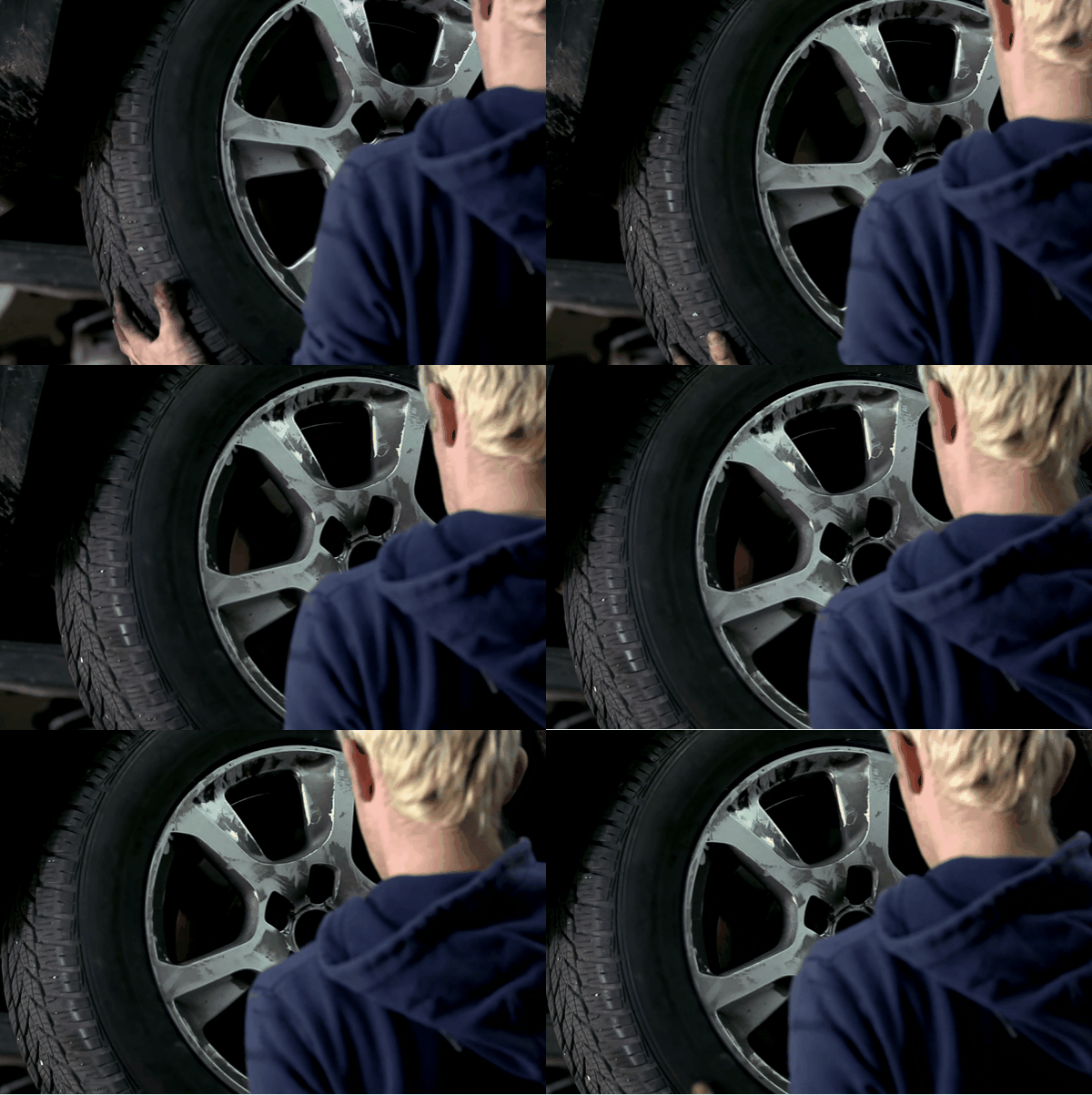
Many drivers assume tires are safe as long as they are not bald. That is not always true.
Tires can lose traction before they look completely worn out because tread depth, rubber condition, tire pressure, and wear pattern all affect grip. An older tire may have hardened rubber. A tire with uneven wear may not sit evenly on the road. A tire with low pressure may flex too much and wear along the shoulders.
This is why knowing when to replace tires requires more than a quick glance. A tire can look acceptable from one angle but still have reduced performance in rain, cold weather, or emergency braking.
Why You Should Check Tire Wear Before Winter or Rainy Weather
The best time to check your tires is before the weather becomes a problem.
Before winter or rainy weather, your tires should have enough tread depth to maintain grip. They should also be properly inflated, evenly worn, and free of sidewall damage.
For Surrey drivers, this is especially important because wet roads are common and many drivers travel to areas where winter road conditions are more demanding. If your tires are already close to the wear bars before the season starts, they may not perform well when you need them most.
If you drive a truck, SUV, lifted vehicle, or custom setup, proper tire selection and installation become even more important. Our article on large tire installation in Surrey, BC explains why some setups require extra experience and attention.
🛡️ Rims vs Tires: Get the Right Upgrade With Confidence in Surrey, CA
Get My Free QuoteBigger wheels may look great, but they can also make everyday driving feel harsher on Surrey roads. The right setup is not just about appearance. It is about finding the right balance between wheel size, tire sidewall height, comfort, road noise, and pothole protection.
Whether you want a smoother commute, better daily-driving comfort, or a wheel-and-tire package that fits your vehicle and driving style, One Stop Car Care is here to help. We provide expert fitment guidance and honest recommendations so you can upgrade with confidence.
Can Uneven Tire Wear Mean a Bigger Vehicle Problem?
Yes. Uneven tire wear often means there is another issue affecting the tire.
The cause may be incorrect tire pressure, poor wheel alignment, worn suspension parts, a bent wheel, skipped tire rotation, or improper fitment. If the problem is not corrected, a new tire may wear out faster than expected.
This is why we look beyond the tire itself. At One Stop Car Care, we want drivers to understand not only whether a tire needs replacement, but also why the tire wore that way in the first place.
If you are deciding between wheel and tire upgrades, our guide on whether rims or tires make the biggest difference can help you understand how each choice affects performance, appearance, comfort, and value.
Repair or Replace? How to Make the Right Call
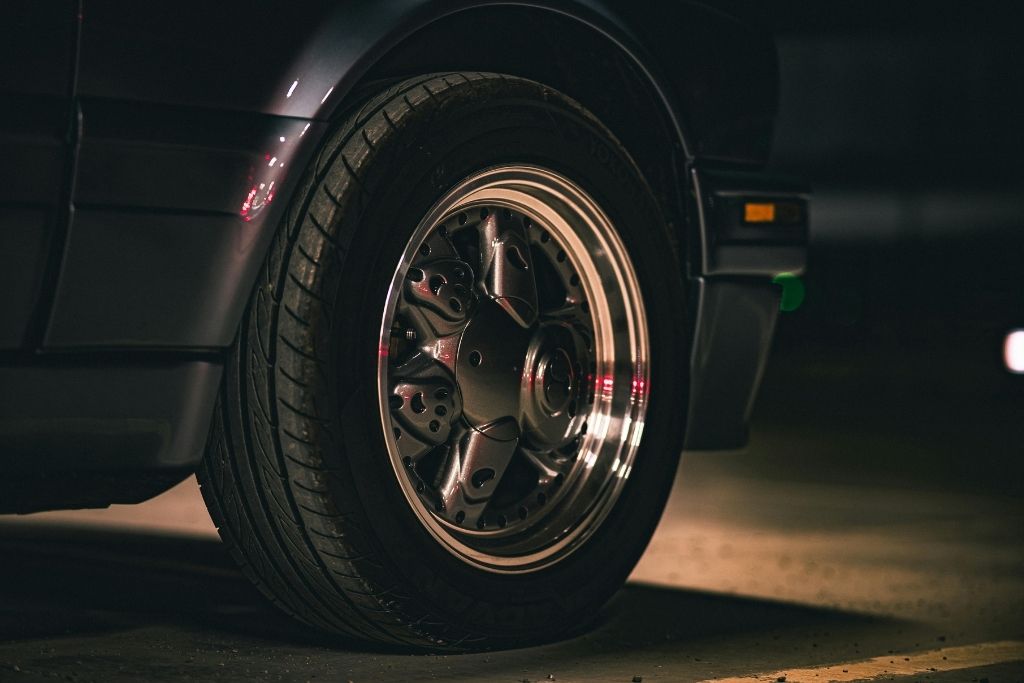
Some tire damage can be repaired. A small puncture in the main tread area may be safely repairable if the tire is otherwise in good condition.
However, replacement is usually the safer choice if the tire has sidewall damage, a bulge, exposed cords, severe uneven wear, cracks from age, repeated air loss, or tread that has reached the wear indicators.
The safest answer depends on where the damage is, how severe it is, how old the tire is, and how much tread remains. If you are not sure when to replace tires, a professional inspection can help you avoid guessing.
Our South Surrey wheels and tires team can inspect your tires, explain what we see, and help you choose the right next step.
Why Surrey Drivers Trust One Stop Car Care
At One Stop Car Care, we started in 2016 as a home-based detailing service and have grown into a trusted automotive protection centre in South Surrey. Today, our team provides wheels and tires, paint protection film, ceramic coating, professional detailing, and surface protection services with a focus on quality workmanship and long-term value.
When it comes to tire replacement, our goal is simple: help you drive safely and confidently. We look at tread depth, tire wear indicators, sidewall condition, tire pressure concerns, fitment, and overall tire condition before recommending the right solution.
We know that tires are an investment. That is why we focus on honest advice, careful installation, and practical recommendations based on your vehicle, driving habits, and budget.
Quick Tire Replacement Checklist
Use this checklist to decide whether your tires need attention:
- Your tread is close to or level with the tread wear bars.
- Your tread depth is too low for safe wet-road driving.
- You see tire sidewall cracks, cuts, bulges, or blisters.
- One or more tires keep losing air pressure.
- Your vehicle vibrates, pulls, or feels unstable.
- You notice uneven tire wear across one or more tires.
- Your tires are older and the rubber looks dry or cracked.
- Your braking distance feels longer than usual.
- Your tires slip or feel weak in rainy conditions.
- You are preparing for winter or highway travel and are unsure about tire condition.
If any of these sound familiar, it may be time to book an inspection.
Final Thoughts: Replace Tires Before They Become a Safety Risk
Knowing when to replace tires helps you stay ahead of safety issues instead of reacting after something goes wrong. Low tread depth, tread wear bars, tire sidewall cracks, uneven tire wear, vibration, pressure loss, poor wet-road grip, and tire age are all signs worth taking seriously.
At One Stop Car Care, we help Surrey drivers choose the right tires, understand their options, and keep their vehicles ready for local roads. If you are unsure when to replace tires, we are here to help with honest advice and professional service.
To get expert support, visit our wheels and tires service page or contact the One Stop Car Care team to book your tire inspection or replacement.
Frequently Asked Questions About Tire Replacement
How do you know when it is time to replace your tires?
You know it is time to replace your tires when the tread is worn down, the tread wear bars are flush with the tire, the sidewalls are cracked or bulging, the tire keeps losing pressure, or your vehicle feels unstable. Uneven tire wear, longer stopping distance, and poor wet-road grip are also signs you need new tires.
Why does low tread depth make tires unsafe?
Low tread depth makes tires unsafe because the tire has less ability to move water away from the road. This reduces tire traction, increases hydroplaning risk, and can make stopping distance longer, especially in rain.
Why do tires lose traction even before they look completely worn out?
Tires can lose traction before they look bald because rubber hardens with age, tread becomes too shallow for wet conditions, and uneven wear affects how the tire contacts the road. Poor tire pressure and wheel alignment issues can also reduce grip.
Why should drivers check tire wear before winter or rainy weather?
Drivers should check tire wear before winter or rainy weather because worn tires perform worse when roads are slick, cold, or covered in standing water. Checking early gives you time to replace unsafe tires before conditions become more demanding.
Why can uneven tire wear mean a bigger vehicle problem?
Uneven tire wear can point to wheel alignment issues, incorrect tire pressure, missed tire rotation, suspension wear, or improper fitment. Replacing the tire without fixing the cause may lead to early wear on the new tire.
One Stop Car Care

Car detailing service in Surrey, Canada
Address:
2320 King George Blvd #1, Surrey, BC V4A 5A5, Canada
Phone:
+1 604-338-4336
Questions & answers:
Be the first to ask a question