When drivers shop for new wheels or tires, the focus usually lands on style, grip, or performance. But for most daily drivers in Surrey, comfort matters just as much. The way your vehicle feels over potholes, patched pavement, and highway seams often comes down to one thing: the relationship between wheel size and tire size.
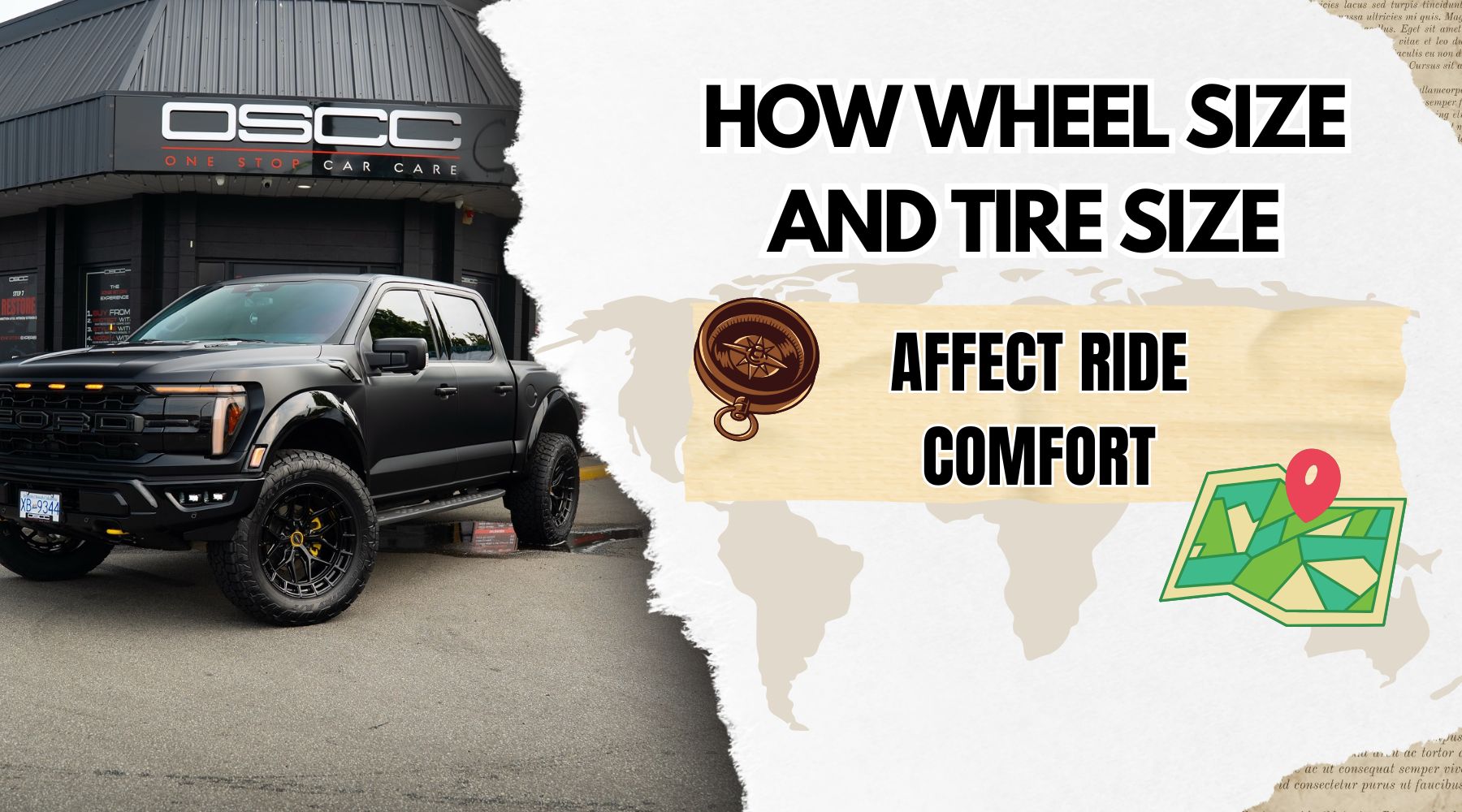
Understanding How Wheel Size and Tire Size Affect Ride Comfort can help you avoid upgrades that look great in photos but feel too firm on real roads. In most cases, ride comfort comes down to the balance between wheel diameter, tire sidewall height, tire width, and air pressure. A setup that looks more aggressive may sharpen handling, but it can also create a stiffer, noisier ride on uneven pavement. For daily driving, choosing the right combination matters just as much as choosing the right style.
Why Comfort Changes When Wheel Size Changes
Many drivers assume a bigger wheel automatically means a better setup. In reality, comfort usually changes because a larger wheel is often paired with a shorter tire sidewall to keep the overall tire diameter close to factory spec. Tire Rack notes that correct plus-sizing keeps the overall diameter approximately the same, which protects speed-sensitive systems, but that still leaves less sidewall to absorb bumps. OSCC’s own upgrade guidance makes the same point: when wheel diameter increases, tire aspect ratio usually decreases, and ride comfort can drop.
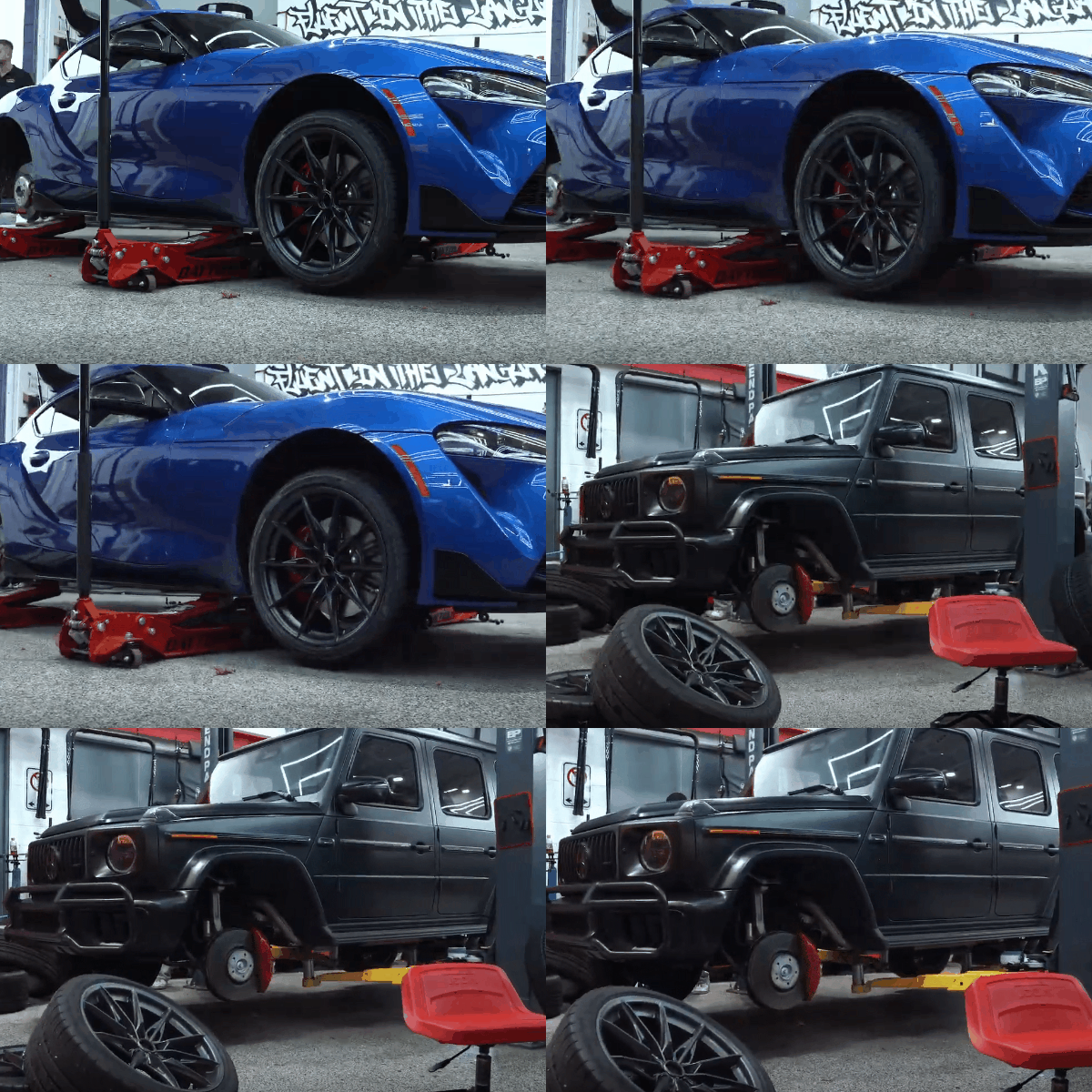
That sidewall matters more than many people realize. A taller tire sidewall gives the tire more room to flex over rough pavement and soften impact harshness before it reaches the suspension and cabin. A shorter sidewall creates a firmer feel. That can improve steering response, but it also tends to make rough roads feel rougher.
So, do bigger wheels make a car ride less comfortably? In many cases, yes. Not because larger wheels are always wrong, but because they usually come with low-profile tires that leave less cushioning between the rim and the road. OSCC’s existing rims-versus-tires blog also notes that tire sidewall height, tread design, and compound play a major role in comfort, and that oversized wheel setups can reduce ride comfort for daily driving.
Tire Sidewall Height Is the Biggest Comfort Factor
If there is one concept Surrey drivers should understand, it is this: sidewall height has a huge effect on comfort. The tire sidewall acts like an extra layer of compliance between the road surface and the wheel. More sidewall usually means more give. Less sidewall usually means less forgiveness.
This is why low-profile tires often feel harsher on broken pavement. They respond faster, look sportier, and can make the steering feel more direct, but they do not have as much rubber and air volume available to cushion impacts. That is also why larger wheels increase the risk of pothole damage. When there is less sidewall to compress, the wheel itself is more vulnerable to sharp hits from road edges, sunken drains, and winter-damaged pavement. Discount Tire’s consumer guidance similarly notes that low-profile setups are more susceptible to wheel damage from potholes and road hazards.
For daily driving comfort, smaller wheels with taller-profile tires usually create a smoother ride. They give the tire more ability to absorb vibrations, reduce impact harshness, and help protect the rim. That does not mean every driver should automatically go as small as possible. Brake clearance and driving goals still matter. But when comfort is the priority, more sidewall is usually your friend.
Wheel Diameter vs. Ride Quality: What Changes on the Road
A wheel-and-tire package affects more than vertical softness. It can also influence how noisy, busy, or tiring the vehicle feels during a normal commute.
Impact Harshness
Larger wheels with lower-profile tires usually feel firmer over cracks, bridge joints, and rough pavement because there is less sidewall flex available to absorb the hit.
Road Noise
Comfort is not only about bump absorption. Road noise matters too. OSCC highlights reduced road noise as one benefit of the right wheel-and-tire package, and premium tire design can make a real difference in cabin comfort.
Handling Response
A shorter sidewall flexes less in corners, so turn-in can feel quicker and the vehicle may feel more precise. That is one reason performance-oriented drivers often prefer larger-diameter wheels and lower-profile tires.
Pothole Protection
Smaller wheels with taller tires usually offer better pothole protection, which matters on daily-driven vehicles.
This is also where the complete buyer’s guide to wheels and tires in Surrey is a useful companion read. That article focuses more broadly on seasonal performance, fitment, and installation, while comfort-focused decisions often come down to how much sidewall you keep in the final setup.
Do Smaller Wheels Ride Better?
Most of the time, yes. Smaller wheels usually allow for taller tire sidewalls, and taller sidewalls are better at absorbing imperfections in the road. That is why drivers moving from an aggressive low-profile package to a more balanced daily-driving setup often notice a smoother, quieter, and less tiring ride.
There is a trade-off, though. A softer sidewall can slightly reduce steering sharpness and sporty feel. If a driver wants maximum cornering response, the most comfort-oriented setup may not feel as crisp. The best answer is not “bigger is better” or “smaller is always better.” The best answer is choosing the setup that matches how the vehicle is actually used.
For many Surrey car owners, that means resisting the temptation to oversize wheels just for appearance. For a daily commuter or family vehicle, the best wheel size for a comfortable ride is often close to factory intent, or only mildly upsized.
Wider Tires and Ride Comfort
Tire width can affect comfort, but not always in the way people expect. Wider tires can improve grip and stability, especially in dry conditions, but they can also change how the vehicle reacts to road texture. On some vehicles, wider tires make the car feel more planted. On others, they can increase road noise, make the steering follow grooves in the pavement, and add a busier feel on imperfect roads.
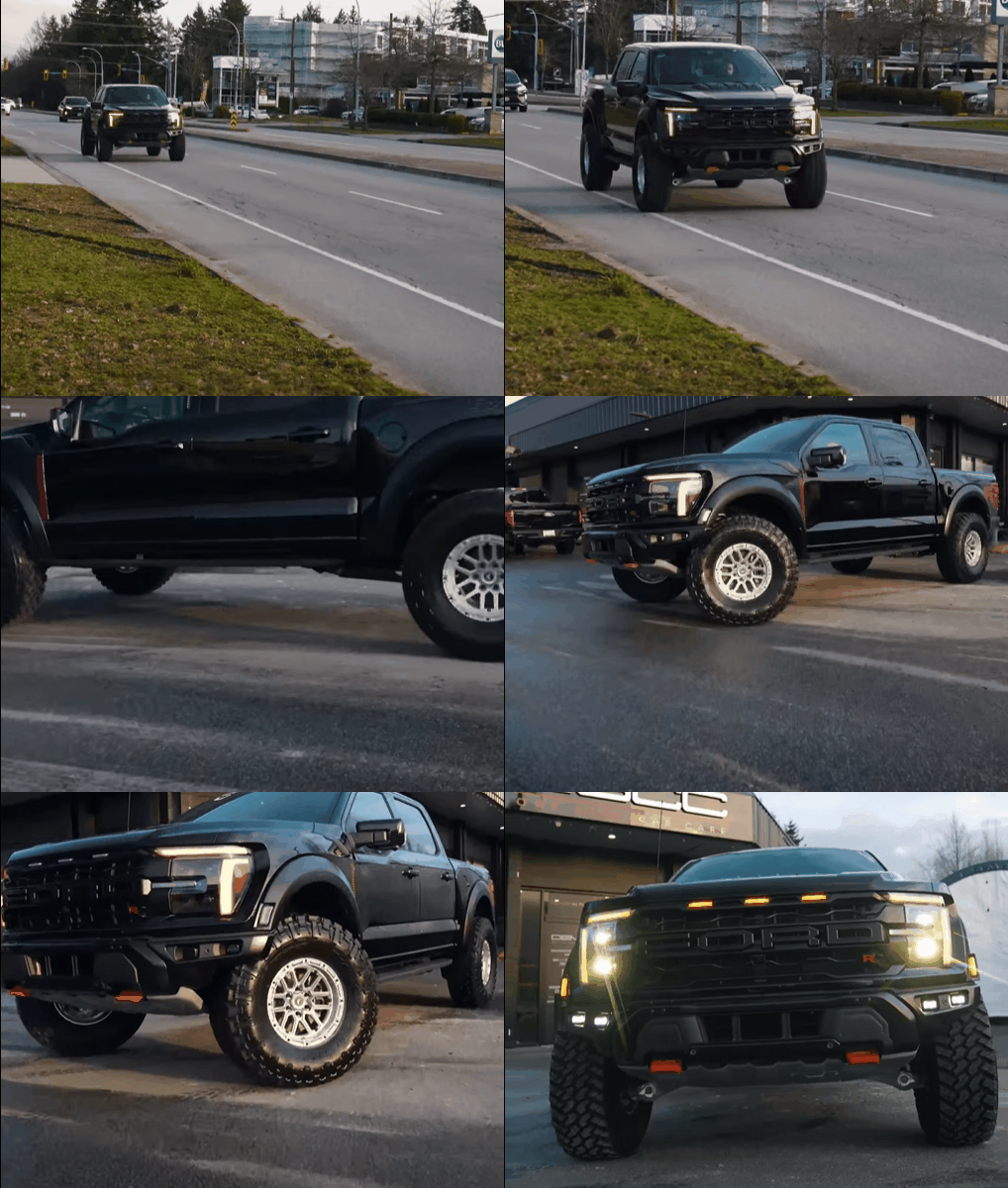
That is why wider does not automatically mean more comfortable. Tire construction, tread pattern, and inflation pressure all matter. A comfort-focused touring tire in the correct width may ride far better than an aggressive performance tire, even if both fit the same wheel. OSCC’s rims-versus-tires comparison makes a similar point by emphasizing that tires often change day-to-day comfort faster than the wheel itself.
Unsprung Weight and Suspension Feel
Another reason ride quality changes after a wheel upgrade is the increase in unsprung weight. Wheels and tires are part of the weight the suspension has to manage directly. If a new wheel-and-tire package is significantly heavier than stock, the suspension can have a harder time controlling movement over rough surfaces.
OSCC’s custom wheel upgrade article specifically warns that changes in unsprung weight can influence ride quality and responsiveness. That matters because some larger aftermarket wheels look impressive but add weight where you feel it most. A lighter, properly matched setup can sometimes ride better than a bigger, heavier package, even if both technically fit the vehicle.
If you are still sorting through fitment factors such as offset, backspacing, brake clearance, and suspension geometry, it helps to read what to consider before upgrading to custom wheels and tires. That article covers the mechanical checks that should happen before any major size change, while comfort decisions come down to sidewall height, weight, and daily drivability.
🛡️ Rims vs Tires: Get the Right Upgrade With Confidence in Surrey, CA
Bigger wheels may look great, but they can also make everyday driving feel harsher on Surrey roads. The right setup is not just about appearance. It is about finding the right balance between wheel size, tire sidewall height, comfort, road noise, and pothole protection.
Whether you want a smoother commute, better daily-driving comfort, or a wheel-and-tire package that fits your vehicle and driving style, One Stop Car Care is here to help. We provide expert fitment guidance and honest recommendations so you can upgrade with confidence.
Get My Free QuoteTire Pressure Can Make a Good Setup Feel Bad
Even the right wheel and tire size can ride poorly if the tire pressure is wrong. Michelin states that the max pressure molded on the sidewall is not the recommended operating pressure and that drivers should use the vehicle placard or owner’s manual for the proper setting. That matters for comfort because overinflation can make impacts feel sharper, while underinflation can hurt stability, wear, and efficiency.
For Surrey drivers, temperature swings matter too. Michelin notes that tire pressure drops as temperatures fall, which means a setup that felt fine earlier in the season may ride and perform differently later on.
How Wheel Size and Tire Size Affect Ride Comfort for Daily Driving
When you strip away the marketing and visual trends, How Wheel Size and Tire Size Affect Ride Comfort comes down to balance.
A comfort-first daily-driving setup usually stays close to stock wheel diameter, keeps enough tire sidewall to absorb rough pavement, uses a tire category designed for lower road noise, and follows proper pressure and fitment. A style-first or performance-first setup usually moves in the opposite direction: larger wheel diameter, lower-profile tires, quicker steering response, firmer impact feel, and less pothole protection.
Neither approach is universally right or wrong. The right choice depends on whether you value comfort, appearance, or responsiveness most.
What Is Best for Surrey Drivers?
For most car owners in Surrey, the smartest setup is one that suits real local driving rather than social media trends. Wet weather, urban roads, and year-round daily use put comfort and durability high on the priority list. Staying close to the factory overall diameter, avoiding unnecessarily extreme low-profile tires, and choosing the right tire type for your driving habits usually leads to the best result.
That is where expert guidance matters. One Stop Car Care grew from a home-based detailing business founded in 2016 into a larger automotive protection center in South Surrey, with more than 22 professionals and over 30 years of combined staff experience. Its wheels-and-tires service emphasizes matching products to the driver’s vehicle, lifestyle, and goals. The Surrey location is #1 2320 King George Blvd, Surrey, BC V4A 5A5.
For readers weighing whether the biggest improvement comes from changing the wheel or changing the tire, Rims vs. Tires: Which Upgrade Makes the Biggest Difference? adds useful context. It explains why tires often make the faster difference in comfort, grip, and braking, while wheels change appearance and steering feel more than many people expect.
Conclusion
The clearest answer to How Wheel Size and Tire Size Affect Ride Comfort is that comfort usually improves when you keep enough tire sidewall in the equation. Bigger wheels can sharpen handling and upgrade appearance, but smaller wheels with taller-profile tires usually deliver a smoother, quieter, and more forgiving daily drive.
If you want to improve comfort without guessing, start with a balanced setup, not just a bigger wheel. And if you want help comparing ride-friendly options for your vehicle, One Stop Car Care’s wheels and tires team in Surrey can help you choose a package that fits your car, your roads, and the way you actually drive.
FAQ About How Wheel Size and Tire Size Affect Ride Comfort
Do Bigger Wheels Make a Car Ride Less Comfortably?
Usually, yes. Bigger wheels often require lower-profile tires, which reduce sidewall cushioning and make bumps more noticeable.
Why Do Low-Profile Tires Feel Harsher on Rough Roads?
They have less sidewall and less air volume to absorb impacts, so more vibration and harshness reach the cabin.
How Does Tire Sidewall Height Change Ride Comfort?
A taller sidewall generally improves comfort by flexing more over bumps and helping protect the wheel from pothole impacts.
How Do Wider Tires Affect Comfort and Road Noise?
Wider tires can improve grip, but depending on the tire design and vehicle, they can also increase road noise and make the ride feel busier.
Does Changing Wheel Size Affect Suspension Performance?
Yes. Wheel size, tire profile, unsprung weight, and fitment all influence how the suspension reacts to bumps and road loads.
Can Changing Wheel and Tire Size Affect Fuel Economy and Ride Quality?
Yes. Heavier packages, incorrect sizing, and more aggressive tire choices can affect rolling resistance, comfort, and day-to-day efficiency.
One Stop Car Care

Car detailing service in Surrey, Canada
Address:
2320 King George Blvd #1, Surrey, BC V4A 5A5, Canada
Phone:
+1 604-338-4336
Questions & answers:
Be the first to ask a question